
Knee PRP Injections for Arthritis: Frequently Asked Questions
PRP stands for platelet-rich plasma. It is prepared from your own blood. This guide covers PRP injections for knee osteoarthritis. KL grades describe changes seen on an X-ray.
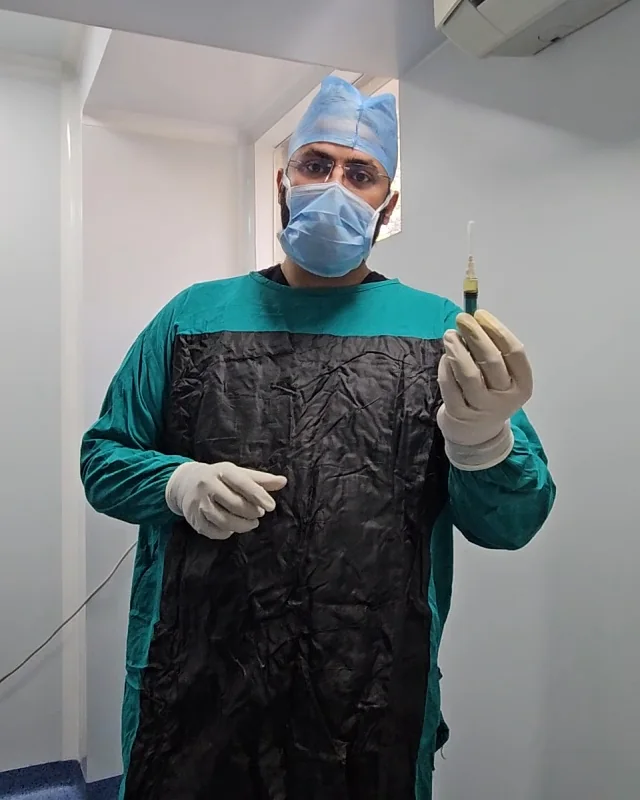
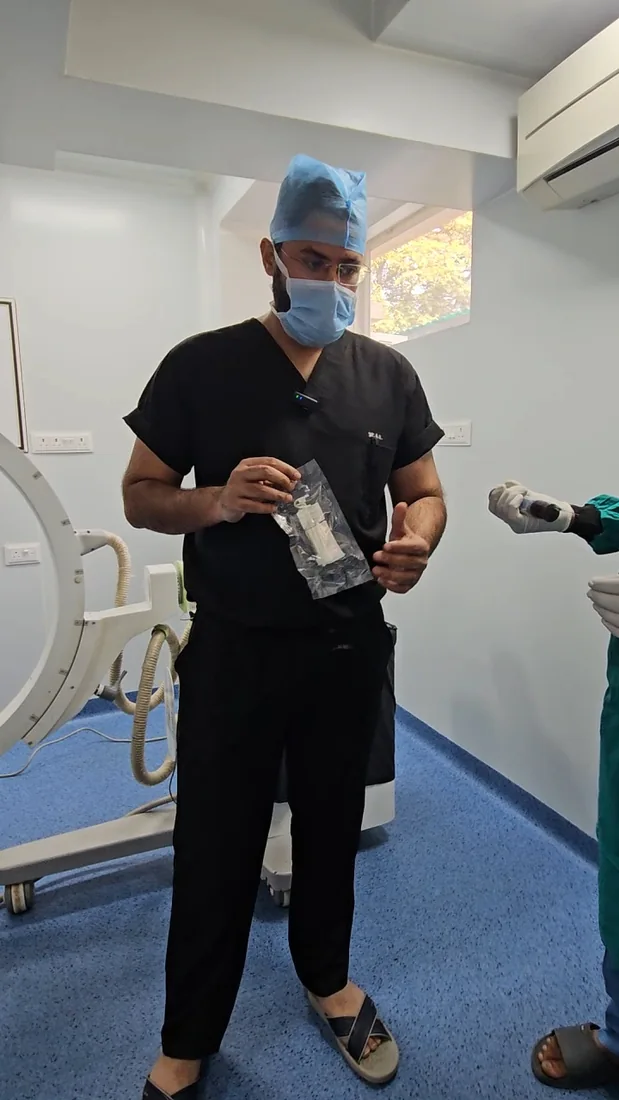
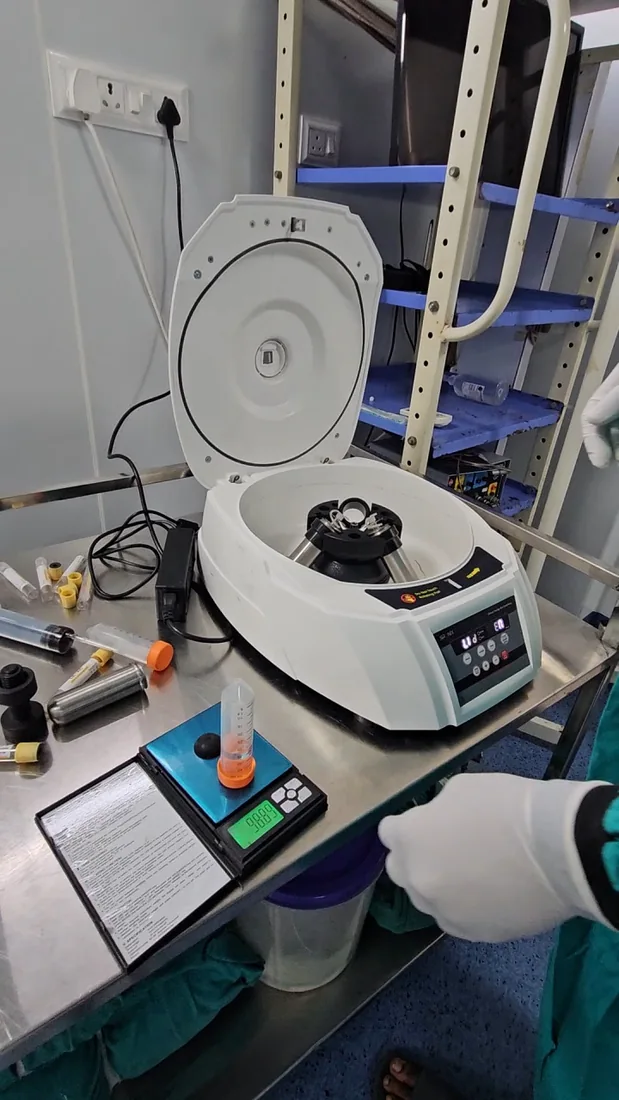
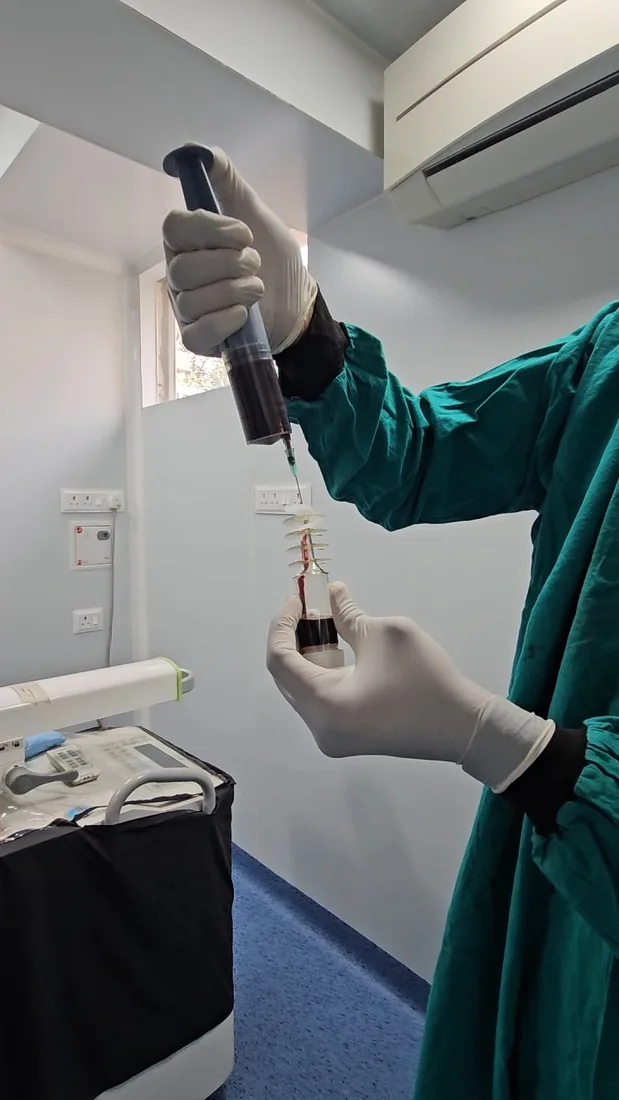
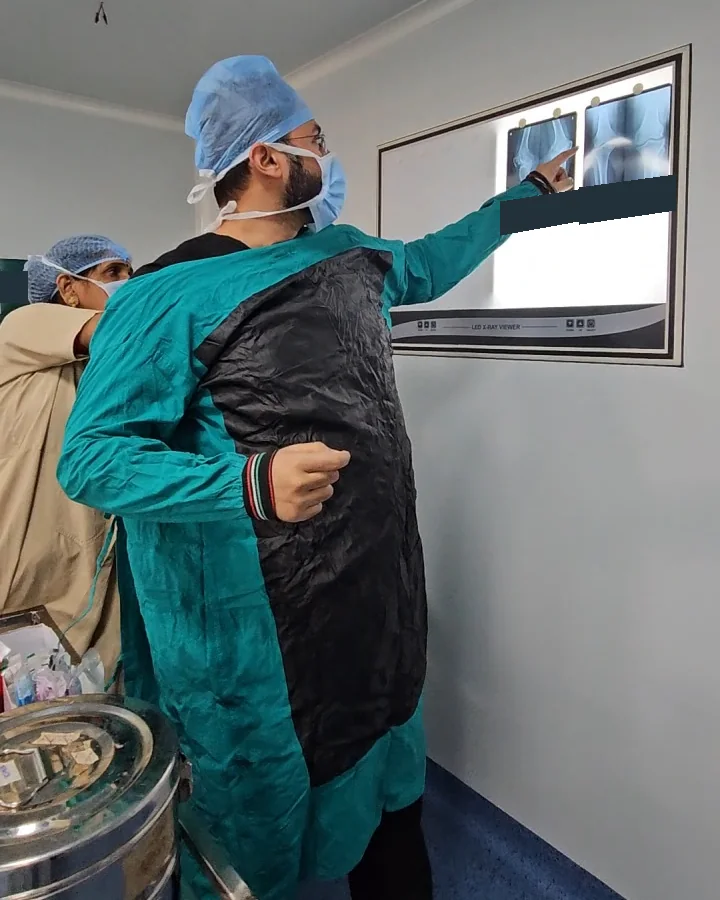
Dr. A. K. explains knee injection therapy
Watch the clinic’s short video on Khandelwal Knee Injection Therapy (KKIT). If you’re considering an injection, ask a joint specialist which options are suitable for your knee.
Watch on YouTubeWho might benefit?
01 Which grade of knee OA responds best to PRP?
The evidence is most applicable to mild to moderate arthritis, especially KL grades 2–3. Some guidance also includes selected grade 1 knees. Studies have yet to establish one grade as the best responder.
02 Is PRP effective in KL Grade IV osteoarthritis?
For grade 4 arthritis, relief is less predictable and evidence is limited. An orthopedic joint specialist can review your X-rays, walking and daily activities and discuss the full range of treatment options.
03 Does age affect PRP outcomes?
Age alone is a poor guide. Studies disagree about its independent effect. X-ray severity, symptoms, goals and overall health are more useful for an individual assessment.
04 Does obesity or high BMI reduce PRP effectiveness?
Studies differ. A higher BMI can add load to the knee, but there is no reliable BMI cutoff that predicts whether PRP will help. Weight management where appropriate can improve knee symptoms separately.
05 Is PRP useful in varus or valgus knee deformity?
PRP may be discussed for symptom relief in selected cases, but it cannot straighten a bowed or knock-kneed leg. Marked malalignment can affect the plan and calls for assessment of how the knee bears weight.
06 Can PRP delay or prevent total knee replacement?
If symptoms improve, some patients may choose to defer surgery. Observational studies cannot establish that PRP itself reliably delays or prevents replacement. Reassess the decision if walking, sleep or daily function is still affected. Can PRP postpone knee replacement by several years?
07 Does PRP regenerate cartilage or only relieve symptoms?
The goal is relief of pain and better movement. Meaningful regrowth of worn knee cartilage has not been demonstrated. Pain relief does not show that cartilage has grown back.
08 Is PRP effective in patellofemoral osteoarthritis?
Evidence specifically for arthritis behind the kneecap is limited. Findings from other parts of the knee may not apply. The exam helps determine whether the kneecap joint is the source of pain and whether targeted rehab or another option is appropriate.
09 Does the presence of bone marrow lesions affect outcomes?
An MRI bone marrow lesion does not automatically rule out PRP. One study found similar overall symptom scores with and without these lesions, with more failures in a small subgroup with severe lesions. The finding needs interpretation alongside symptoms and other imaging.
10 Can PRP help patients with degenerative meniscal tears and OA?
An injection might ease arthritis symptoms in selected patients. It is not proven to heal a worn meniscus, the knee’s cushioning pad. A knee that gets stuck and cannot fully straighten needs assessment.
What’s in the injection?
11 Which is better, leukocyte-rich or leukocyte-poor PRP?
A head-to-head trial found similar pain and function outcomes at one year. Some clinicians prefer leukocyte-poor PRP to limit short-lived reactions, but a clear effectiveness advantage has not been shown. Leukocytes are white blood cells.
12 What is the ideal platelet concentration for knee OA?
No universal concentration or fold increase has been validated. Concentration means platelets per millilitre. The volume injected determines how that concentration translates into the total number delivered.
13 What is the optimal total platelet dose per injection?
There is no established platelet dose that works best for everyone. The number of platelets in an injection varies by preparation. Talk with a joint specialist about the evidence for the method being offered and what benefit you might reasonably expect.
14 Is single-spin or double-spin PRP better?
Both methods separate blood components by spinning. The number of spins alone does not predict clinical benefit. What matters for comparing products is what the final injection contains and how it is handled.
15 Should PRP be activated before injection?
Some protocols activate platelets before injection to trigger release of their contents. Others do not add a separate activator. Evidence has not established a clinically superior approach for every knee.
16 What is the role of red blood cell contamination?
Red blood cells can carry over during preparation. Many systems aim to minimize this because of concerns about inflammation. Clinical studies have yet to establish a red-cell cutoff that predicts patient outcomes.
17 Does the patient’s baseline platelet count influence efficacy?
Your starting count can affect how many platelets can be collected. It is not a reliable stand-alone predictor of pain relief. A low count or platelet disorder may also require safety review.
18 Is freshly prepared PRP better than stored PRP?
Many knee studies used PRP prepared on the day. Storage and freezing can change the product, and evidence does not establish that all fresh or stored products give equivalent results. Ask how the product is prepared and handled.
19 Does PRP quality vary between commercial kits?
Yes. Kits can yield different platelet doses, volumes and amounts of white or red blood cells. A kit brand alone cannot tell you whether the injection will help.
20 Are high-dose PRP preparations more effective than low-dose PRP?
Some studies and experts suggest dose matters, but evidence for an optimal dose–response is incomplete. A trial of a high dose against another treatment does not itself show that it beats a lower PRP dose.
Injection visits and other treatments
21 Is one PRP injection sufficient, or are three better?
Both schedules have been studied. Some trials found better results with a series, but three injections do not guarantee relief. The decision should consider your diagnosis, expected benefit, cost and number of visits.
22 What is the ideal interval between PRP injections?
There is no proven ideal interval. Studies have used weekly injections and schedules with several weeks between visits. If a series is chosen, confirm the timing with the clinician.
23 Should all three injections have the same platelet concentration?
Studies often use the same preparation method throughout a series. The platelet concentration can still vary between blood draws. No good evidence shows that an identical concentration each time improves outcomes.
24 Can PRP be mixed with hyaluronic acid?
Trials have used PRP with hyaluronic acid (HA). That does not establish that any two products can be mixed in the same syringe. If a clinician offers a combination, ask about the products and method used.
25 Is PRP plus HA better than PRP alone?
Some trials report extra improvement on certain measures or at certain times. A consistent, meaningful advantage for most patients has not been established. Consider whether the possible extra benefit justifies the added cost.
26 Can corticosteroids and PRP be administered together?
Giving them together in the same joint is not an established routine. Evidence about added benefit, compatibility and timing is limited. Tell the clinician about any recent or planned steroid injection.
27 How long should one wait after a steroid injection before PRP?
There is no well-validated waiting period that applies to everyone. The clinician will consider when and where the steroid was given, why it was needed and how the knee is doing now.
28 Can PRP be combined with genicular nerve radiofrequency ablation?
These are separate approaches. Genicular nerve radiofrequency ablation targets pain signals around the knee. Evidence is limited on whether pairing it with PRP improves results or on the best order.
29 Can PRP be combined with physiotherapy or shockwave therapy?
Physiotherapy is a core knee arthritis treatment and can be planned around injections. A trial found no added benefit from adding PRP to supervised exercise. Evidence for adding shockwave therapy to PRP is too limited to support routine use.
30 Should PRP be injected under ultrasound guidance?
Ultrasound can improve the accuracy of placing a needle in a joint and may help when landmarks are difficult to feel. More accurate placement does not guarantee greater pain relief from PRP. Ask how your clinician will place the injection.
Results and other injection options
31 Is PRP better than hyaluronic acid for knee OA?
Some trials favour PRP for pain or function at certain visits. Others, including a five-year follow-up trial, did not find a consistent difference in symptom scores. Neither option is clearly better for every patient.
32 Is PRP better than intra-articular corticosteroids?
Steroids can provide short-term relief. Some comparisons favour PRP at later follow-up, but results vary. The choice depends on the goal, medical history and how quickly relief is needed.
33 Is PRP superior to placebo injections?
Results conflict. Some randomized trials found better pain or function with PRP. The large RESTORE trial found no significant advantage over saline for pain or cartilage loss at 12 months. This uncertainty matters when deciding whether to pay for treatment.
34 How soon does PRP start working?
If PRP helps, improvement may be gradual over several weeks. The time varies, and some people notice little or no improvement. Agree with your joint specialist on when to review your symptoms.
35 How long does the benefit of PRP last?
In studies reporting improvement, relief may last several months, and some patients still report improvement at six to twelve months. Others get little relief or notice it wearing off earlier. There is no dependable duration for an individual.
36 What percentage of patients experience clinically meaningful improvement?
There is no single reliable percentage. Studies use different definitions of meaningful improvement, follow-up times and types of PRP. A group average also does not tell you how many people improved enough to notice a difference in daily life.
37 Does PRP improve WOMAC, KOOS and VAS scores?
Some trials report better scores for pain, stiffness or function on these measures. Other trials do not show a clear advantage over saline. What matters for you is whether activities such as walking or climbing stairs become easier.
38 Does PRP reduce cartilage loss on MRI?
Reliable evidence of slower cartilage loss is lacking. RESTORE measured cartilage volume on MRI and found no significant difference from saline at 12 months.
39 Are PRP outcomes maintained beyond 12 months?
Some studies report improvement beyond one year. Longer-term studies are fewer, results vary, and trials have not established that relief will persist for most patients.
40 What predicts PRP treatment failure?
More advanced arthritis is linked with a lower chance of response in some studies. Marked malalignment, severe bone marrow changes and other sources of pain may affect expectations. There is no reliable test that predicts an individual’s response.
Safety, medicines and recovery
41 What are the absolute and relative contraindications to PRP?
A suspected joint infection or infection at the needle site is a reason to defer injection and seek assessment. Active systemic infection may also require postponement. Platelet disorders, very low platelet counts, bleeding disorders, active cancer and immune suppression need individualized review, sometimes with a specialist.
42 Can PRP be administered to patients taking aspirin or clopidogrel?
Sometimes, after review with the person who prescribed it. These medicines affect platelet function and may affect bleeding risk. Their impact on knee PRP benefit is uncertain. Do not stop or skip them on your own, especially if prescribed after a stent, heart attack or stroke.
43 Should NSAIDs be stopped before and after PRP?
Some clinicians advise a pause in certain anti-inflammatory medicines, such as ibuprofen or naproxen, because they can affect platelet function. Evidence for the best timing or for improved clinical outcomes is limited. Give the clinic your full medicine list and ask the treating or prescribing clinician before stopping or restarting anything.
44 Is PRP safe in patients with diabetes?
Diabetes alone does not automatically rule out PRP. The clinician should consider blood sugar control, skin problems, current infection and any other planned injections. Poorly controlled diabetes may change the timing or plan.
45 Can PRP be administered in patients taking anticoagulants?
A joint injection may be possible after review. General joint injection guidance considers bleeding risk usually low, but your risk depends on the drug, why you take it and your medical history. Do not stop warfarin, apixaban, rivaroxaban or another anticoagulant without advice from the prescriber.
46 What causes post-PRP pain and swelling?
Needle irritation and a temporary local reaction can cause soreness or swelling. Get urgent medical assessment for rapidly worsening pain or swelling, a hot red knee, fever or chills, or new inability to bear weight. These can be signs of a serious complication such as joint infection.
47 What is the incidence of infection following PRP?
Joint infection after an injection is uncommon but serious. Studies do not provide a dependable PRP-specific percentage. Sterile technique matters. Seek urgent assessment if you develop symptoms of infection. What causes post-PRP pain and swelling?
48 How long should patients avoid strenuous activity after PRP?
Follow the activity plan given by the clinician who treated you. Ask when to resume strenuous work, running or heavy lifting. The timing depends on symptoms and the type of activity, and there is no single PRP recovery schedule.
49 Can patients continue physiotherapy during a PRP course?
Usually, with a plan that adjusts activity around injection visits and symptoms. Tell your physiotherapist about the injection and agree on when to resume harder exercises.
50 Is local anesthetic compatible with PRP?
Numbing the skin is different from mixing anesthetic directly into PRP. Lab studies suggest some anesthetics affect platelets under some conditions, but the effect on knee outcomes is unclear. The treating clinician should choose the numbing method.
When pain returns
51 When should PRP treatment be repeated?
Consider a review if symptoms return after a clear benefit. A repeat course depends on how much and how long it helped, current symptoms, other options and risks. Little benefit the first time is a reason to review the diagnosis and plan.
52 Should patients receive maintenance PRP every six months or annually?
Evidence does not support a routine calendar for everybody. An annual course has been studied, but the long-term advantage is uncertain. Reassess symptoms and function before scheduling more injections.
53 Is a second PRP course effective after pain returns?
A second course may be considered if the first gave clear relief and symptoms return. Evidence on who will benefit again is limited. Ask your joint specialist to reassess the knee before deciding.
54 Does repeated PRP cause synovial fibrosis or other joint damage?
Available studies have not established that repeated PRP causes scarring of the joint lining or joint damage. Long-term safety data for many repeat courses are limited. Every injection carries procedural risks such as a flare or infection.
55 When should PRP be considered a treatment failure?
Agree on a goal before treatment, such as walking farther or climbing stairs more comfortably. If pain and function have not improved meaningfully by the agreed follow-up, review the diagnosis and other options. Discuss worsening symptoms sooner.
56 Should HA be used after an unsuccessful PRP course?
HA is one option to discuss, but there is little direct evidence that it reliably helps after PRP fails. Guidelines differ on its use. Review why PRP did not help and weigh HA alongside other suitable options.
57 Is PRP cost-effective compared with HA or corticosteroids?
Its value depends on local prices, number of injections and the amount and duration of relief. Research models from other health systems may not apply to Indore. Compare the complete course cost and likely benefit of each option.
58 Can PRP postpone knee replacement by several years?
There is no reliable basis for promising a delay of several years. Some people underwent surgery later in observational studies, which cannot establish how much of the delay was due to PRP. Can PRP delay or prevent total knee replacement?
59 Does PRP remain useful after previous arthroscopic surgery?
Previous keyhole surgery does not by itself determine whether PRP will help. What matters is why the knee hurts now, how advanced the arthritis is and how the knee recovered. Evidence about PRP specifically for persistent arthritis symptoms after arthroscopy is limited.
60 What do AAOS, ACR, OARSI and ESSKA recommend about PRP?
Professional guidance differs. AAOS (2021) describes possible symptom benefit with a limited-strength recommendation. ACR/Arthritis Foundation (2019 guideline) and OARSI (2019) recommended against its use for knee osteoarthritis. ESSKA expert groups (2024) support considering it in selected patients, particularly when earlier care has not helped. Ask a joint specialist how the evidence applies to your knee.
Clinical references
Prepare for your joint specialist visit
- Bring your knee X-rays and MRI reports if available.
- Bring a list of your medicines and details of previous injections.
- Describe which activities are difficult, such as walking or climbing stairs.