
Shoulder Specialist Care in Indore
Shoulder Pain Treatment in Indore
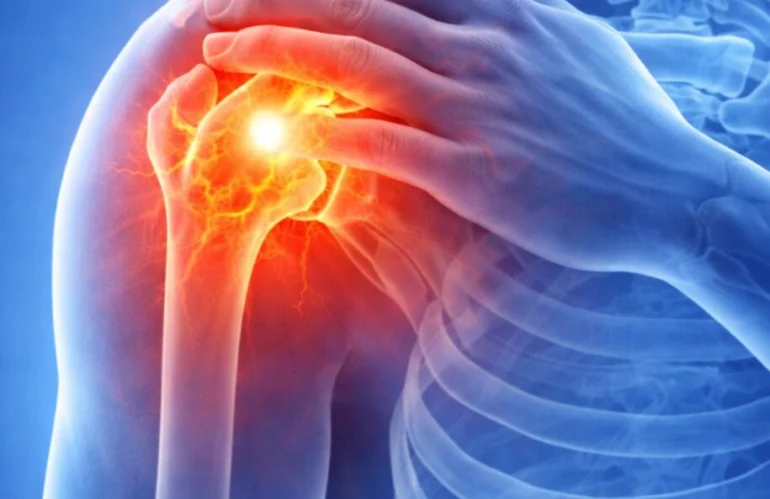
Shoulder pain can come from rotator cuff tear, frozen shoulder, dislocation, instability, fracture, arthritis, calcific tendinitis, AC joint injury or referred neck-related symptoms.
If you are looking for a shoulder specialist in Indore, bring your symptoms, previous treatment details and available scans for assessment with Dr. Anupam Khandelwal.
Common Shoulder Conditions Treated
Explore shoulder symptoms, injuries and treatment options. The diagnosis is matched to examination and imaging findings.
Rotator cuff tear and impingement
Painful overhead activity, night pain and weakness need rotator cuff-focused examination and imaging review.
Supraspinatus and cuff repair
Supraspinatus repair and rotator cuff repair decisions depend on MRI tear size, weakness, stiffness and repairability.
Dislocation and labral injury
First-time or recurrent shoulder dislocation can involve Bankart lesion, Hill-Sachs lesion and bone loss.
Bankart repair surgery
Recurrent shoulder dislocation may need Bankart repair, Latarjet or Hill-Sachs planning after MRI and CT review.
SLAP tear and biceps injury
Deep shoulder pain, clicking and overhead symptoms may need SLAP, labrum and biceps-anchor evaluation.
Fractures around shoulder
Proximal humerus, clavicle, scapula, glenoid and fracture-dislocation injuries need X-ray or CT-based planning.
Clavicle and collarbone fracture
Displaced, lateral end, skin-threatening or non-healing clavicle fractures may need fixation planning.
Proximal humerus fracture
Ball-side shoulder fractures need alignment, tuberosity, bone quality and replacement-versus-fixation decisions.
Shoulder arthritis and replacement
Severe arthritis, cuff tear arthropathy or selected complex fractures may need shoulder replacement discussion.
Frozen shoulder and stiffness
Stiff shoulder with restriction of both active and passive motion, including diabetes-associated or post-injury stiffness.
Calcific tendinitis
Shoulder pain with a calcium deposit needs examination and imaging-based treatment planning.
Injury and trauma care
Shoulder Injuries Need Timely Assessment
Pain after a fall, deformity, bruising, weakness or inability to lift the arm needs assessment. Bring available X-rays, MRI or CT scans.
Shoulder symptoms that need diagnosis
The same shoulder pain can come from tendon, capsule, joint surface, labrum, fracture, nerve or neck-related pathology. Examination and the right imaging prevent guesswork.
Common symptoms and concerns
- Night pain while lying on the shoulder.
- Painful overhead movement or painful arc.
- True weakness while lifting the arm after injury or MRI-diagnosed tear.
- Repeated shoulder slipping, dislocation or apprehension.
- Stiff shoulder with restriction of both active and passive motion.
- Pain after fall, deformity, bruising or inability to lift the arm.
Who should consult
- Patients with shoulder pain lasting more than a few days.
- Patients with MRI showing rotator cuff tear, labral tear or tendon disease.
- Patients after shoulder dislocation, fall or fracture.
- Patients with frozen shoulder, diabetes-associated stiffness or post-injury stiffness.
- Patients needing surgery decision after X-ray, MRI or CT scan.
When shoulder consultation is useful
Early review is useful when shoulder pain affects sleep, work, lifting, sport or daily function.
Book a consultation for
- Night pain or pain while lying on the shoulder.
- Weakness after fall, jerk or lifting injury.
- Shoulder dislocation or repeated slipping episodes.
- Marked stiffness, especially in diabetes or thyroid disease.
- X-ray, MRI or CT showing fracture, tendon tear, labral tear, arthritis or calcium deposit.
Urgent care warning
- Severe fresh injury, open wound, major deformity, loss of sensation, high fever or rapidly increasing pain should be taken to emergency care first.
- For planned opinion, bring reports so the next step can be explained clearly.
Shoulder diagnosis and treatment planning
Treatment depends on pain pattern, range of motion, strength, instability tests and imaging.
Reports to bring
- Shoulder X-rays if trauma, arthritis, calcium deposit or dislocation is suspected.
- MRI films and report for rotator cuff tear, labral injury or unexplained weakness.
- CT scan for complex fracture, glenoid bone loss or fracture-dislocation.
- Previous injection, physiotherapy, surgery or dislocation reduction records.
Treatment discussion
- Medicines, activity modification and physiotherapy for selected tendon pain and stiffness.
- Injection, hydrodilatation or guided procedures for selected frozen shoulder or calcific tendinitis cases.
- Arthroscopic rotator cuff repair, Bankart repair, Latarjet, fracture fixation or shoulder replacement when indicated.
- Rehabilitation planning for stiffness prevention and safe return to work or sport.
Book Consultation
Book shoulder pain consultation
Bring X-rays, MRI or CT scans if available. Treatment is chosen after matching symptoms, examination and imaging findings.