First-time dislocation
Reduction, neurovascular check, X-ray and recurrence-risk assessment are important.

Best Knee & Hip Replacement Surgeon
Shoulder Instability and Sports Injury Care
First-time or recurrent shoulder dislocation can injure the labrum, capsule and bone, leading to repeated instability, apprehension and loss of confidence in overhead activity.
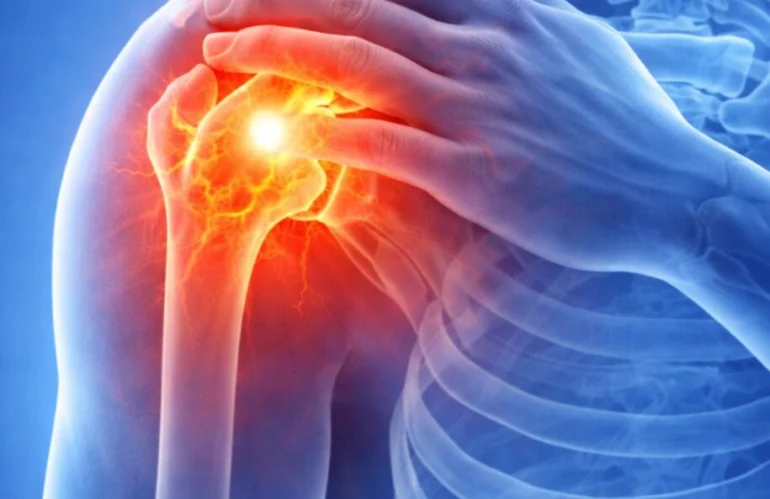
Reduction, neurovascular check, X-ray and recurrence-risk assessment are important.
Recurrent instability often needs MRI/CT review for labrum and bone loss.
The procedure depends on recurrence risk, glenoid bone loss and Hill-Sachs engagement.
Young active patients have higher recurrence risk after traumatic dislocation. Older patients also need rotator cuff and nerve assessment after dislocation.
The decision depends on age, activity level, number of dislocations, bone loss, labral injury and sport goals.
Instability surgery selection depends on soft tissue injury and bone loss, not only on the word dislocation.
Next Step
Bring MRI or CT images, reduction records and details of every dislocation episode so recurrence risk and treatment options can be discussed.
Get expert advice from India's leading Knee, Hip & Orthopedic Surgeon