Foot & Ankle Orthopedic Care in Indore
Foot & Ankle Diseases & Fractures
The foot and ankle are complex structures made up of 26 bones, multiple joints, ligaments, tendons, and soft tissues. Any injury or disease affecting these structures can lead to pain, instability, or difficulty in walking.
Explore symptoms, injuries and treatment options by area of the foot. Examination helps distinguish tendon, ligament, joint, nerve and bone problems before a treatment plan is chosen.
Find the Right Foot and Ankle Care Guide
Start with the painful area or an existing diagnosis, then review the related care options.
Ankle sprain and instability
Twisting injuries, ligament problems, repeated giving way and ankle stiffness.
Heel and Achilles problems
Heel pain, plantar fasciitis, Achilles tendon pain or a suspected rupture.
Arch and midfoot problems
Flatfoot, high arch, midfoot arthritis, Charcot foot and Lisfranc injuries.
Forefoot and toes
Big-toe problems, bunions, pain under the forefoot and toe injuries.
Fractures and traumatic injuries
Ankle, heel, midfoot and toe fractures requiring assessment of alignment and stability.
Children's foot and ankle concerns
Clubfoot, growing heel pain and assessment of a painful or changing foot shape.
Injury and urgent symptoms
Foot and Ankle Injuries Need Timely Assessment
A fracture, tendon rupture or significant ligament injury may need a different plan from long-standing foot pain. Severe symptoms should not wait for a routine appointment.
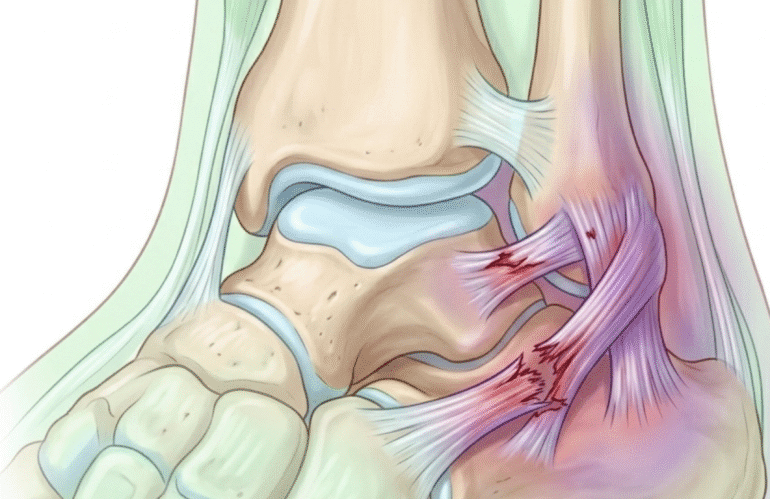
Ankle Region Disorders & Fractures
The ankle joint bears your entire body weight and is prone to injuries, especially during sports or twisting movements.
Common Conditions of Ankle
- Ankle Sprain - Ligament injury due to twisting of the foot.
- Achilles Tendinitis / Tendinopathy - Pain and load-related changes in the tendon behind the ankle.
- Posterior Tibial Tendon Dysfunction (PTTD) - Weakness of inner ankle tendon causing flatfoot in adults.
- Peroneal Tendonitis - Pain on the outer side of the ankle.
- Tarsal Tunnel Syndrome - Nerve compression causing burning or tingling around the ankle.
- Ankle Osteoarthritis - Degenerative changes leading to stiffness and swelling.
Common Fractures of Ankle
- Lateral / Medial / Posterior Malleolus Fracture
- Bimalleolar & Trimalleolar Fracture - Involving two or three sides of the ankle, often requiring surgery.
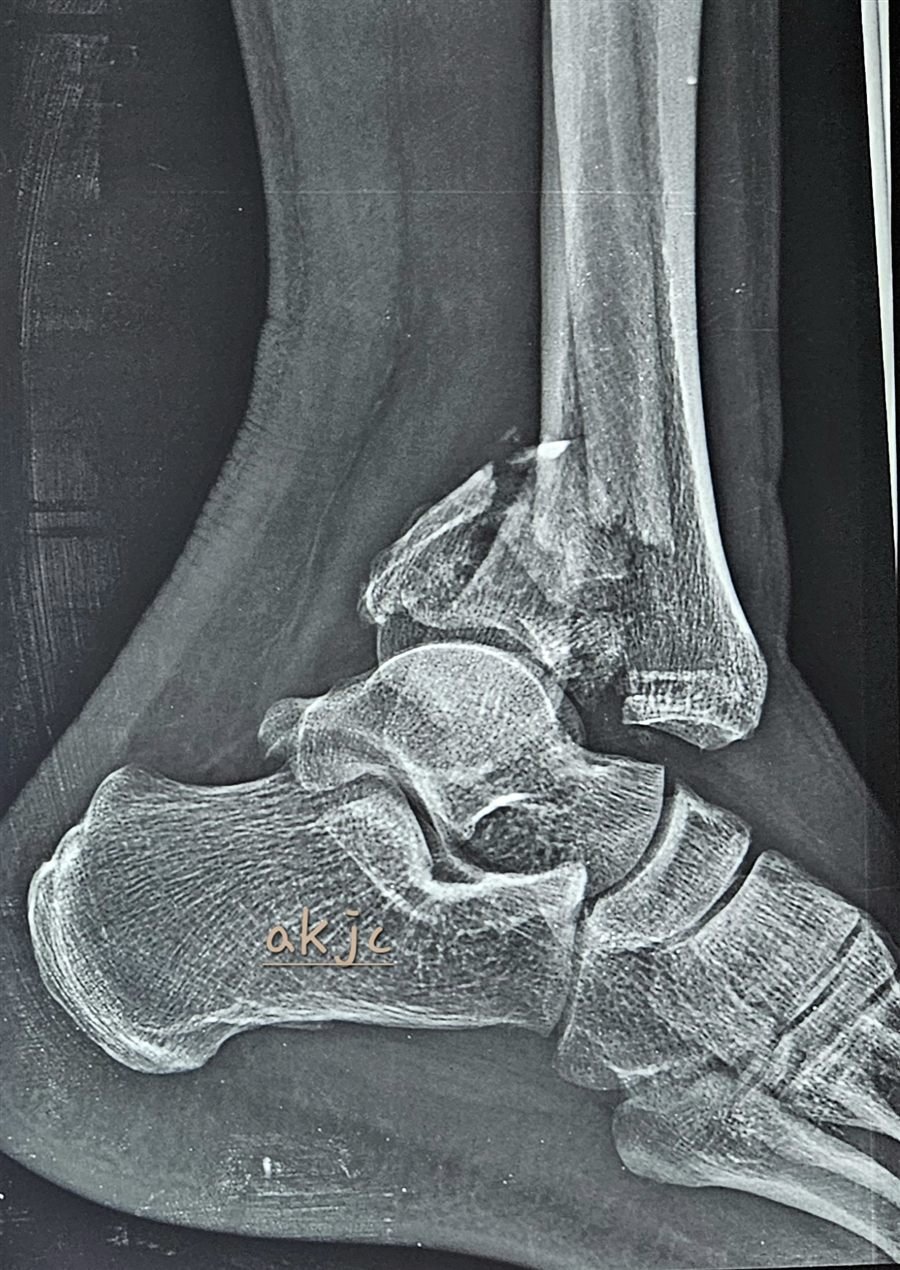
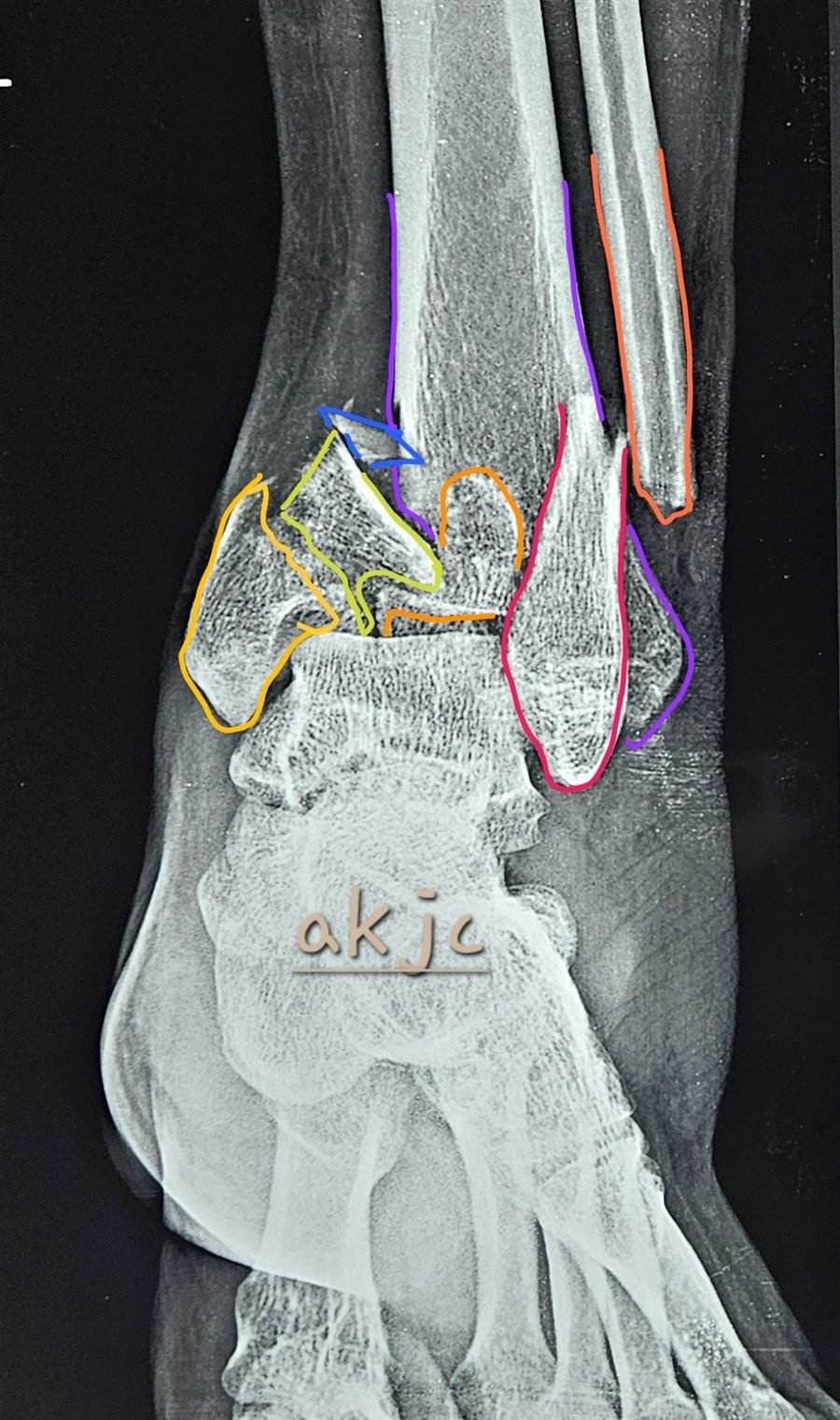
- Pilon Fracture (Tibial Plafond) - Severe injury extending into the ankle joint.
Read more - Tillaux / Triplane Fracture (in Adolescents) - Growth plate injury seen in young patients.
Ankle swelling, twisting injury, deformity, or difficulty walking should be evaluated early.
Sports and Twisting Injuries
Ankle injury evaluation, fracture planning and recovery guidance
A twisting injury can damage ligaments or cause a fracture. Examination and selected imaging help identify the injury and plan a safe return to activity.
Hindfoot (Rearfoot) Conditions
The hindfoot includes the calcaneus (heel bone) and talus, which connect the ankle to the midfoot and play a key role in shock absorption.
Common Conditions of Hindfoot
- Plantar Fasciitis - Pain in the plantar fascia under the heel, often worse with the first steps after rest.
- Heel Spur Syndrome - Bony growth beneath the heel, often linked with plantar fasciitis.
- Sever's Disease - Growth plate pain in children's heels.
- Achilles Tendon Tear / Rupture - Sudden injury causing loss of ankle push-off.
- Posterior Heel Bursitis - Painful swelling at the back of the heel.
Common Fractures of Hindfoot
- Calcaneus (Heel Bone) Fracture - Usually after a fall from height.
- Talus Fracture - A serious injury that can compromise ankle movement or blood supply to the bone.
- Anterior Process of Calcaneus Fracture - Often confused with ankle sprain.
Heel pain, Achilles pain, and suspected heel bone fracture need clear diagnosis and treatment planning.
Midfoot Conditions
The midfoot connects the hindfoot to the forefoot and includes the navicular, cuboid, and cuneiform bones. It is essential for arch stability and balance.
Common Conditions of Midfoot
- Flat Foot (Pes Planus) - Loss of arch leading to fatigue and pain.
- High Arch (Pes Cavus) - Rigid, excessively curved foot causing imbalance.
- Accessory Navicular Syndrome - Extra bone on inner side of foot causing pain.
- Midfoot Osteoarthritis - Degenerative wear and tear of midfoot joints.
- Charcot Foot (Diabetic Neuroarthropathy) - Bone collapse in diabetic patients due to nerve damage.
Common Fractures / Injuries of Midfoot
- Navicular Fracture - Often a stress fracture in athletes.
- Cuboid ("Nutcracker") Fracture - Compression injury between heel and forefoot.
- Lisfranc Injury (Tarsometatarsal Dislocation / Fracture) - Midfoot ligament or bone injury; stability and displacement guide nonsurgical care or surgery.
Forefoot Conditions
The forefoot includes metatarsals and toes - the most active part of the foot during walking and running.
Common Conditions of Forefoot
- Metatarsalgia - Pain in the ball of the foot.
- Morton's Neuroma - Nerve compression between third and fourth toes.
- Bunions (Hallux Valgus) - Deformity of the big toe joint.
- Hallux Rigidus - Arthritis causing stiffness of the big toe.
- Corns & Calluses - Thickened skin due to pressure or friction.
- Gout / Pseudogout - Crystalline arthritis affecting the foot joints.
Read more - Rheumatoid Arthritis (Foot Involvement) - Chronic joint inflammation leading to deformity.
Common Fractures of Forefoot
- Jones Fracture (Base of 5th Metatarsal) - Common sports injury.
- Avulsion Fracture of 5th Metatarsal - Caused by sudden tendon pull.
- Metatarsal Shaft Fracture - Due to direct impact or repetitive stress.
- Sesamoid Fracture / Sesamoiditis - Pain under big toe due to bone stress.
- Toe (Phalangeal) Fractures - Stubbing or crush injury.
Forefoot pain, toe deformity, or sports injury can affect walking and daily activity.
How Foot and Ankle Problems Are Assessed
The examination, pain pattern, injury history and walking ability guide the next steps.
Clinical Assessment
- Pain location, swelling, foot shape, movement and stability.
- Tendon strength, skin condition, sensation and circulation where relevant.
- Previous injury, diabetes, footwear, activity and treatment history.
Selected Investigations
- X-rays for suspected fracture, alignment or arthritis; weight-bearing views when appropriate and safe.
- Ultrasound or MRI for selected tendon, ligament or unexplained symptoms.
- CT for selected complex fractures; blood tests when infection or inflammatory disease is suspected.
Treatment Is Matched to the Diagnosis
The aim is useful, comfortable movement. Treatment depends on the condition, stability, skin and soft tissues, health and activity goals.
Non-Surgical Care
- Activity adjustment, suitable footwear and selected supports or orthoses.
- A guided rehabilitation programme and medicines when appropriate.
- A boot or cast for selected injuries, with individual instructions about weight-bearing and follow-up.
When Surgery May Be Discussed
- Displaced or unstable fractures and selected tendon or ligament injuries.
- Persistent symptoms or deformity when suitable nonsurgical care has not helped enough.
- Discuss alternatives, risks and recovery; the timing of walking and exercises varies by procedure.
Congenital & Pediatric Foot Disorders
- Clubfoot (Congenital Talipes Equinovarus) - Birth deformity where foot turns inward and downward.
- Sever's Disease - Heel pain in growing children.
- Flexible Flatfoot in Children - Usually harmless but may need monitoring.
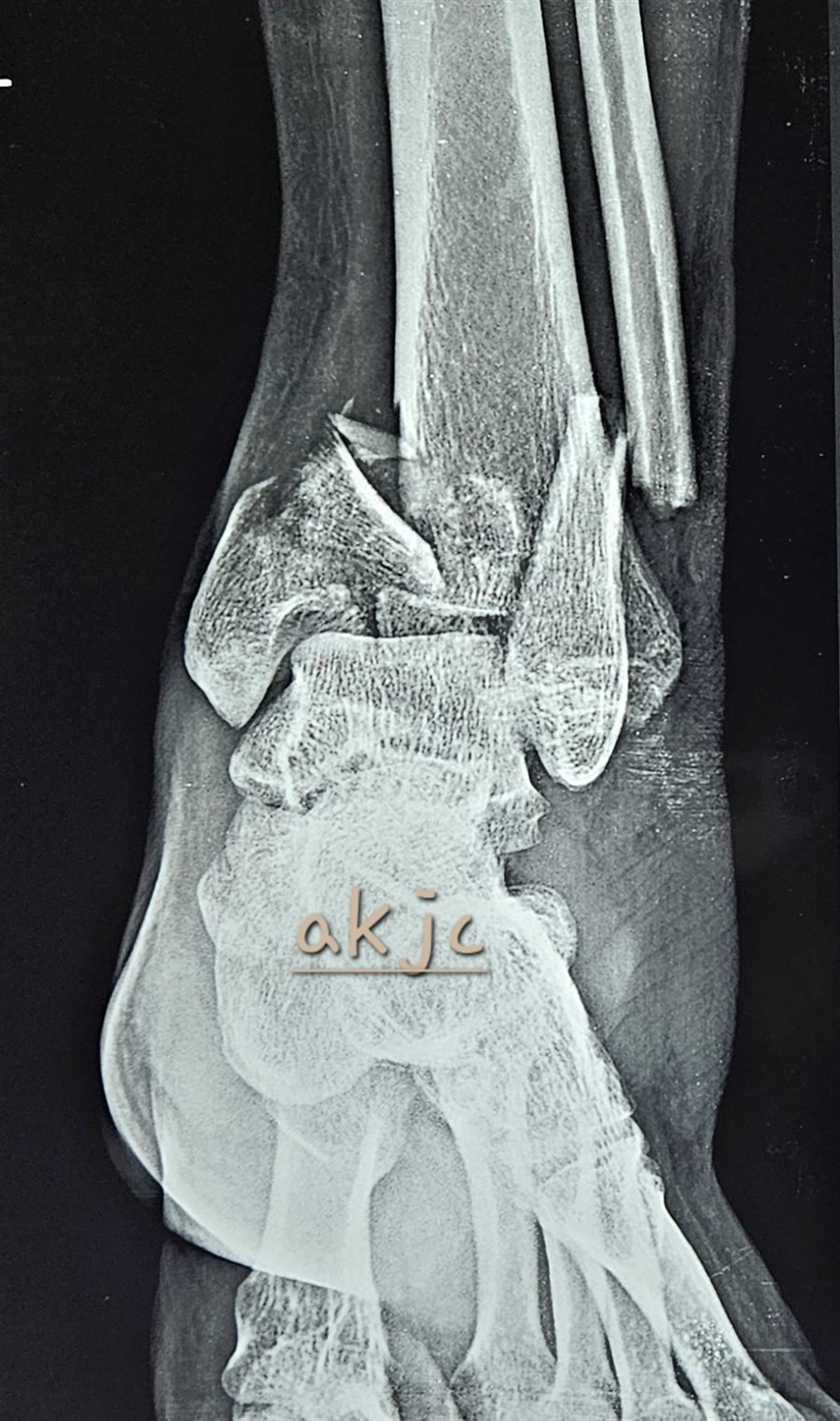
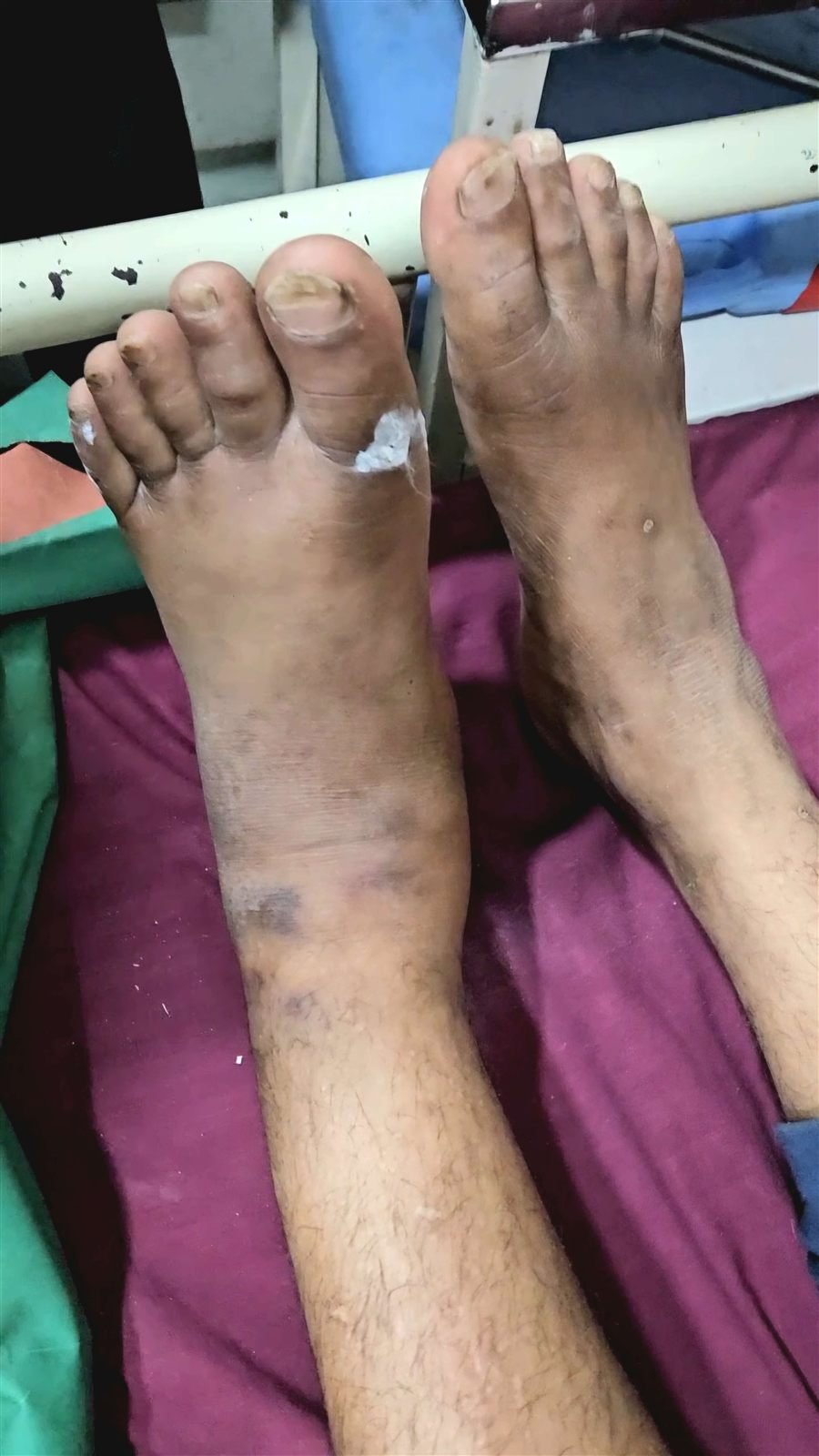
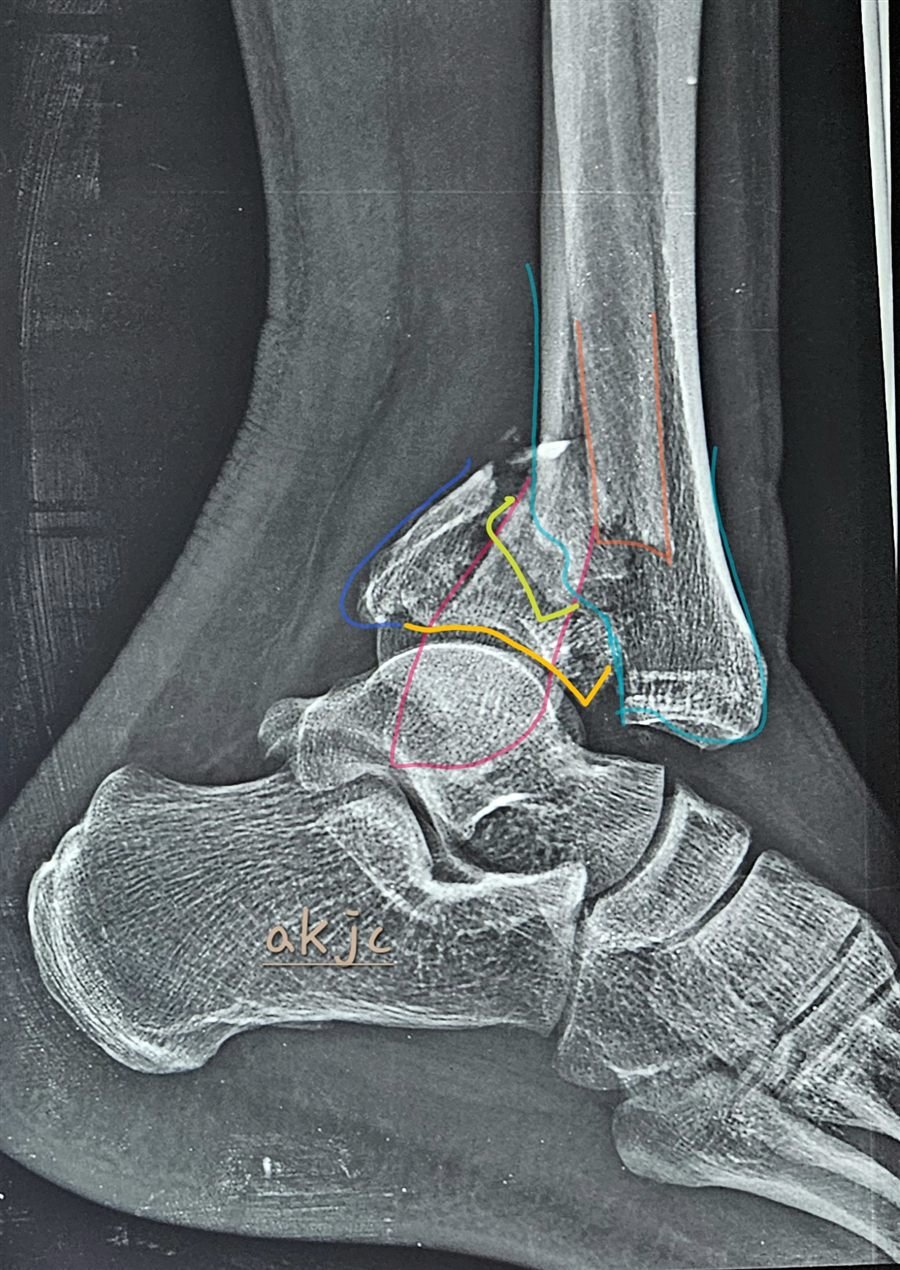
Ankle fracture and tibial plafond fracture images
These clinical photographs, X-rays and diagrams illustrate ankle and tibial plafond injuries. They do not replace an individual examination or imaging review.
When to See Dr. Anupam Khandelwal
Persistent foot or ankle pain should not be ignored
If you experience persistent foot or ankle pain, swelling, deformity, or difficulty walking, early evaluation helps prevent long-term complications.
Consultation helps identify the cause and discuss suitable treatment, expected benefits, risks and rehabilitation. Recovery varies by diagnosis and procedure.
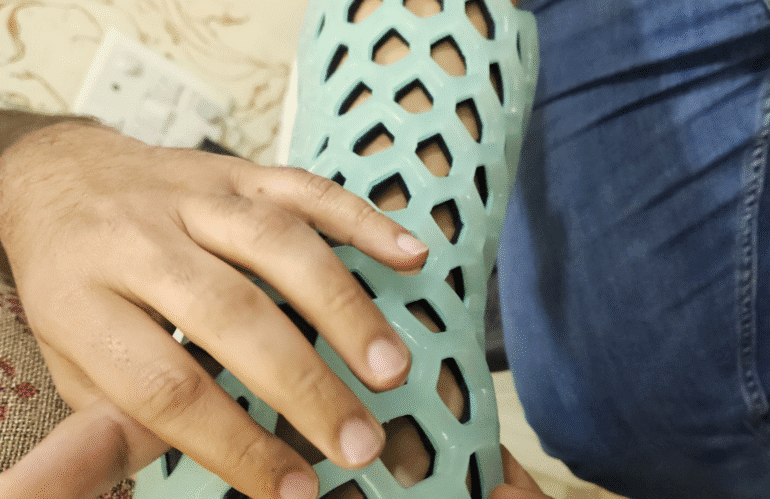
Walking Cast for Ankle / Foot Injuries
Walking Cast
A walking cast is used for selected injuries. Walk or bear weight only as advised for your specific injury.
View Walking Cast