Shoulder Trauma and Fracture Care

Fractures Around Shoulder Treatment in Indore

Fractures around the shoulder include proximal humerus, greater tuberosity, clavicle, lateral end clavicle, scapula, glenoid and shoulder fracture-dislocation injuries.

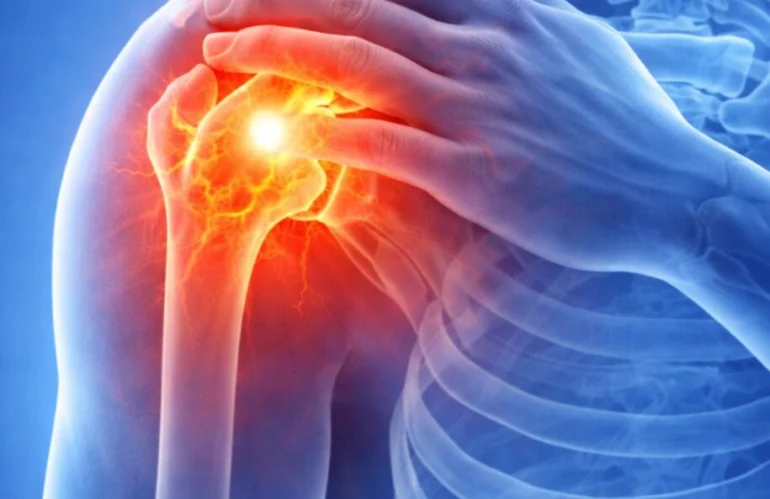
Illustration of shoulder pain
Proximal Humerus

Ball-side shoulder fracture

Tuberosity position, head alignment, bone quality and cuff status guide treatment.

Clavicle / AC Joint

Collarbone and lateral end injuries

Displacement, skin tenting, shortening and lateral end instability affect surgery decisions.

Glenoid / Scapula

Joint socket and blade fractures

CT scan is often important when the glenoid joint surface or scapular neck is involved.

Symptoms

Shoulder fracture patterns after fall or accident

Shoulder trauma treatment depends on fracture location, displacement, joint involvement, patient age, bone quality and functional needs.

Common symptoms and concerns

  • Pain and swelling after fall on shoulder or outstretched hand.
  • Bruising around shoulder, chest wall or upper arm.
  • Inability to lift the arm after injury.
  • Visible clavicle deformity or skin tenting.
  • X-ray showing proximal humerus, clavicle, scapula or glenoid fracture.
  • Shoulder dislocation with associated fracture.

Who should consult

  • Patients with X-ray-confirmed shoulder fracture.
  • Elderly patients after fall with proximal humerus fracture.
  • Patients needing CT scan and surgery decision.
  • Patients comparing sling, fixation and shoulder replacement.
  • Families after road traffic accident or sports trauma.
When to Book

When shoulder fracture consultation is useful

Fracture decisions should be made early enough to protect alignment, joint surface and shoulder movement.

Book a consultation for

  • X-ray or CT showing shoulder fracture.
  • Severe pain, swelling or inability to lift arm after fall.
  • Fracture near the shoulder joint surface.
  • Clavicle fracture with marked displacement or skin pressure.
  • Fracture-dislocation, numbness, cold hand or open wound.

Urgent care warning

  • Severe fresh injury, open wound, major deformity, loss of sensation, high fever or rapidly increasing pain should be taken to emergency care first.
  • For planned opinion, bring reports so the next step can be explained clearly.
Planning

X-ray and CT-based shoulder fracture planning

The aim is stable healing with the best possible shoulder motion and lowest stiffness risk.

Reports to bring

  • AP shoulder, axillary or scapular Y X-rays if available.
  • CT scan for complex proximal humerus, glenoid, scapula or fracture-dislocation patterns.
  • Emergency reduction notes if dislocation was present.
  • Medical fitness details, especially in elderly or osteoporotic patients.

Treatment discussion

  • Sling and guided follow-up for selected stable fractures.
  • Plate/screw fixation, nail fixation or specific clavicle fixation when alignment and function require it.
  • Shoulder replacement in selected elderly complex head-splitting or non-reconstructable fractures.
  • Early protected physiotherapy when safe to reduce stiffness.
  • Osteoporosis and fall-risk review in elderly fracture patients.

Next Step

Book shoulder fracture consultation

Bring X-rays, CT scan images and emergency papers so fracture stability, fixation need and recovery plan can be discussed.

Book

Book Consultation

✕
⚡ LIMITED SLOTS

Get expert advice from India's leading Knee, Hip & Orthopedic Surgeon

International Training From Germany & Korea
Trusted by 10,000+ patients from India