
Elbow Fracture & Trauma Care in Indore
Radial Head Fracture Treatment
A radial head fracture is a break in the upper end of the radius bone near the elbow. It can affect elbow bending, forearm rotation, grip-related activities and joint stability.
Treatment is planned after clinical examination, X-rays and often CT scan assessment. Depending on the fracture pattern, the surgeon may advise non-surgical care, radial head reconstruction with screws or plate fixation, or radial head replacement.
Patients usually search by the fracture they have. The final treatment is decided by the surgeon after assessing fragment size, comminution, joint surface depression, elbow stability and associated ligament or dislocation injury.
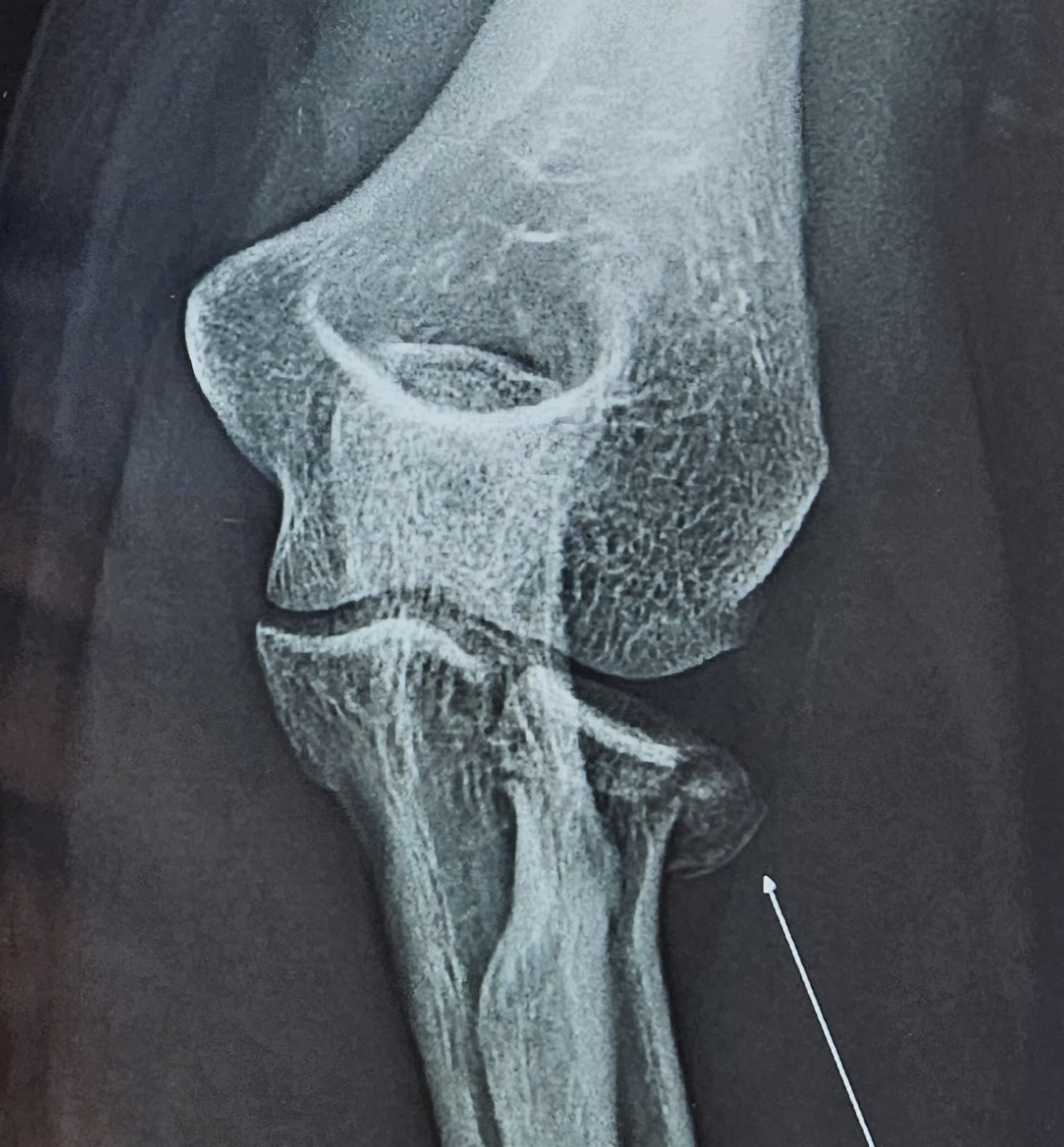
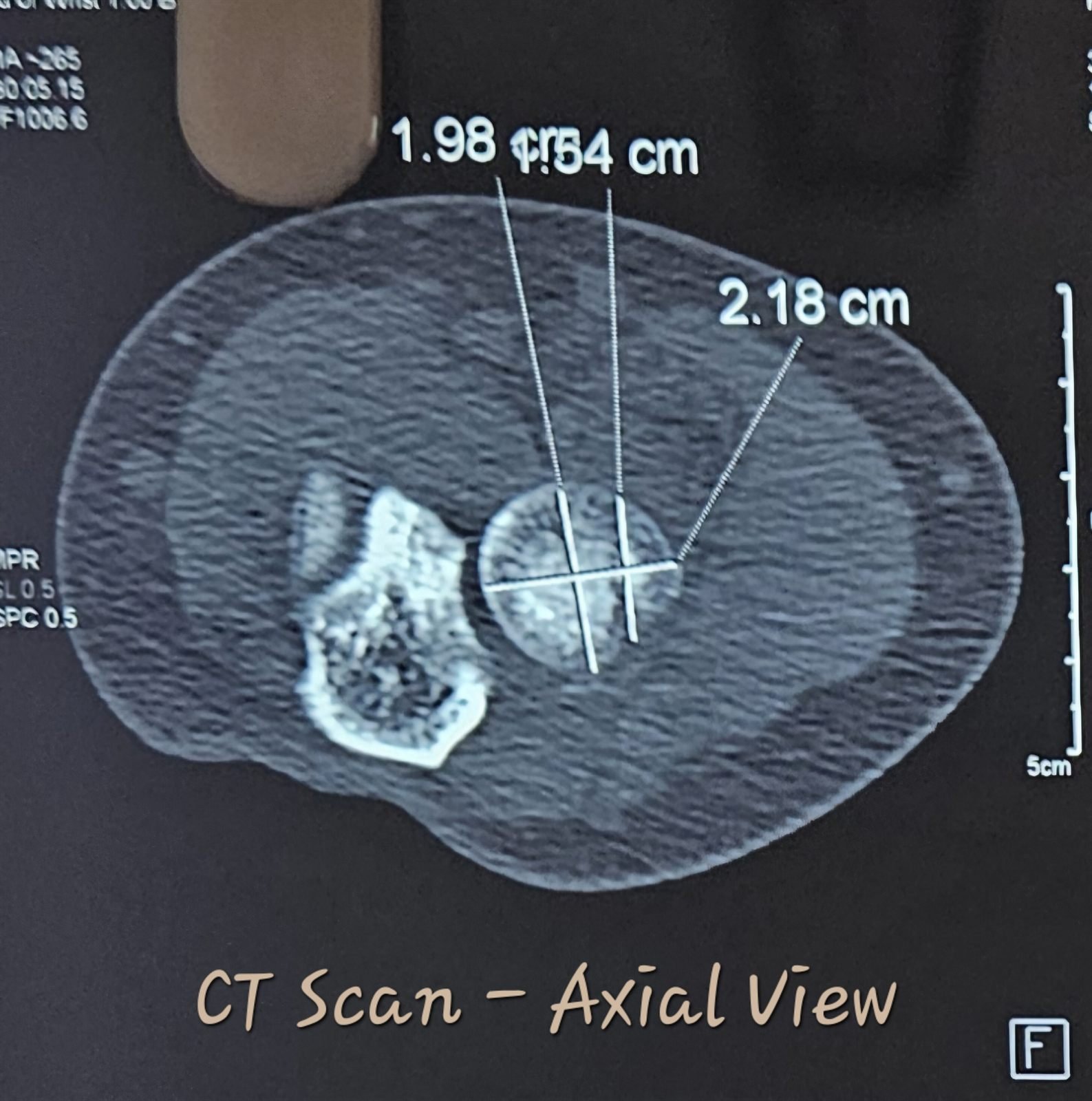
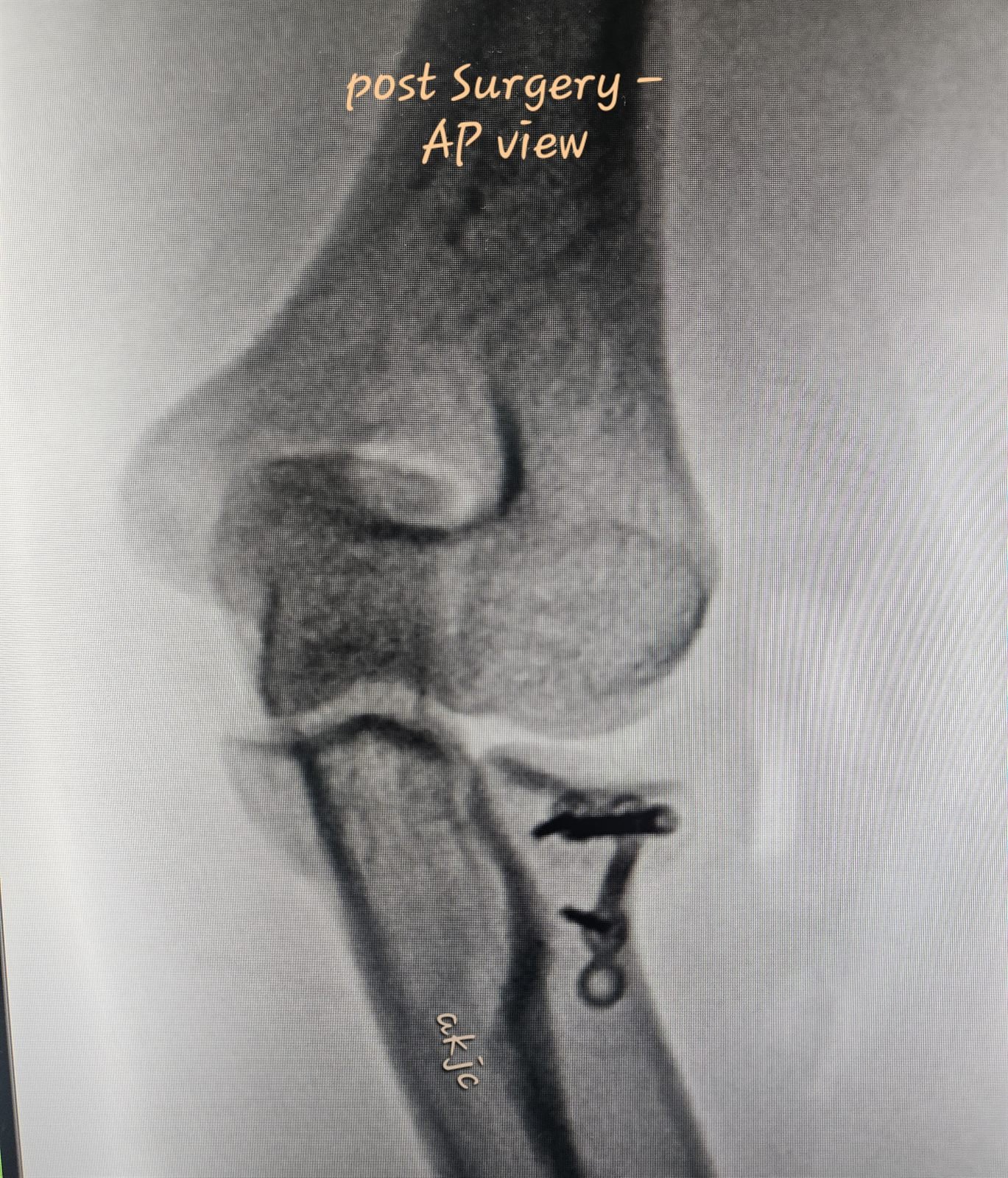
What Is a Radial Head Fracture?
The radial head is the disc-shaped upper part of the radius at the elbow. It helps forearm rotation and contributes to elbow and forearm stability, especially when ligament injuries are present.
Common Mechanism
- Fall on an outstretched hand.
- Direct elbow trauma or road traffic accident.
- Sports injury with twisting or elbow dislocation.
- Pain on the outer side of the elbow after injury.
Why It Matters
- Painful elbow bending and straightening.
- Pain or block during palm-up and palm-down rotation.
- Joint surface injury can lead to stiffness or post-traumatic arthritis.
- Associated ligament, coronoid, wrist or forearm injury can change treatment.
Diagnosis: X-ray and CT Scan
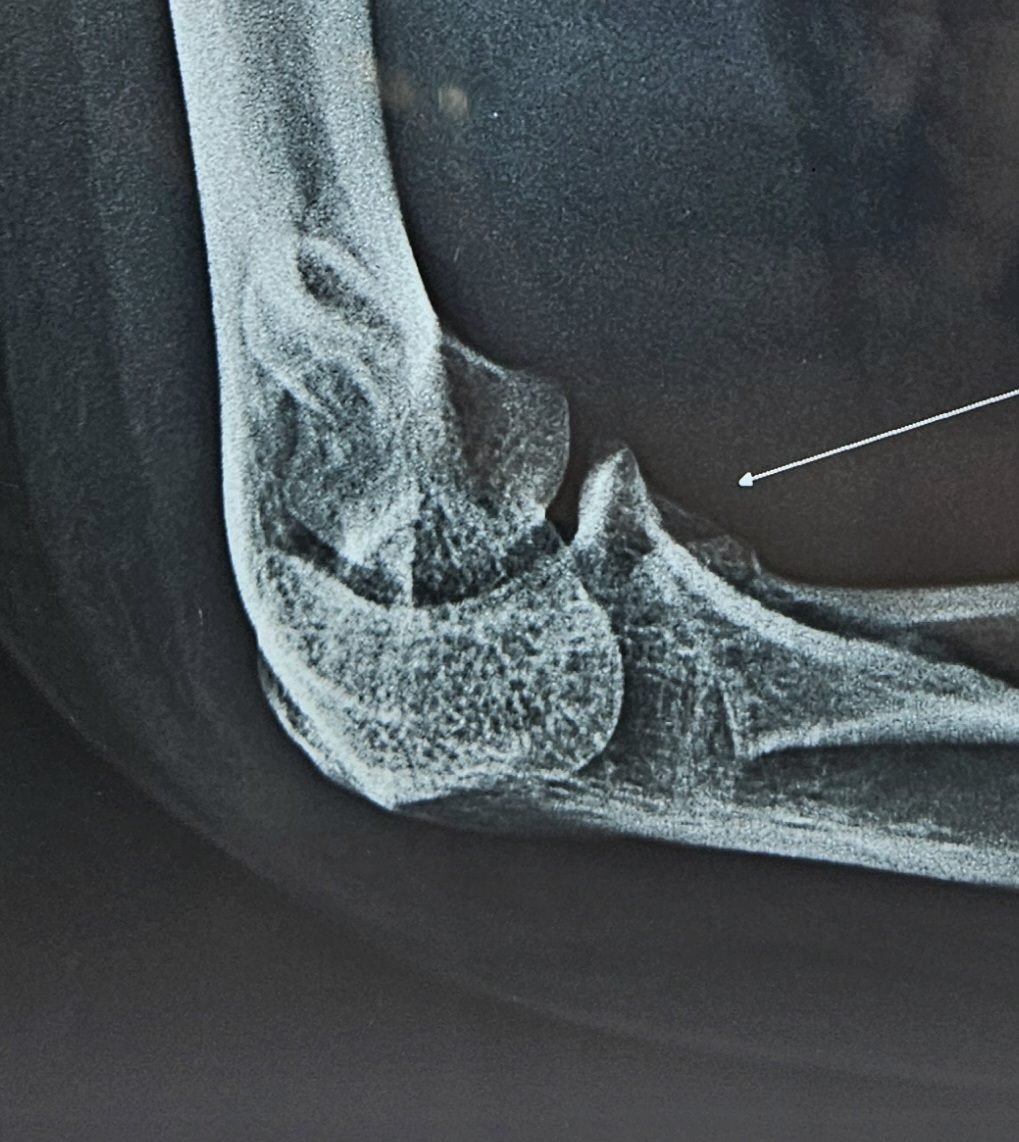
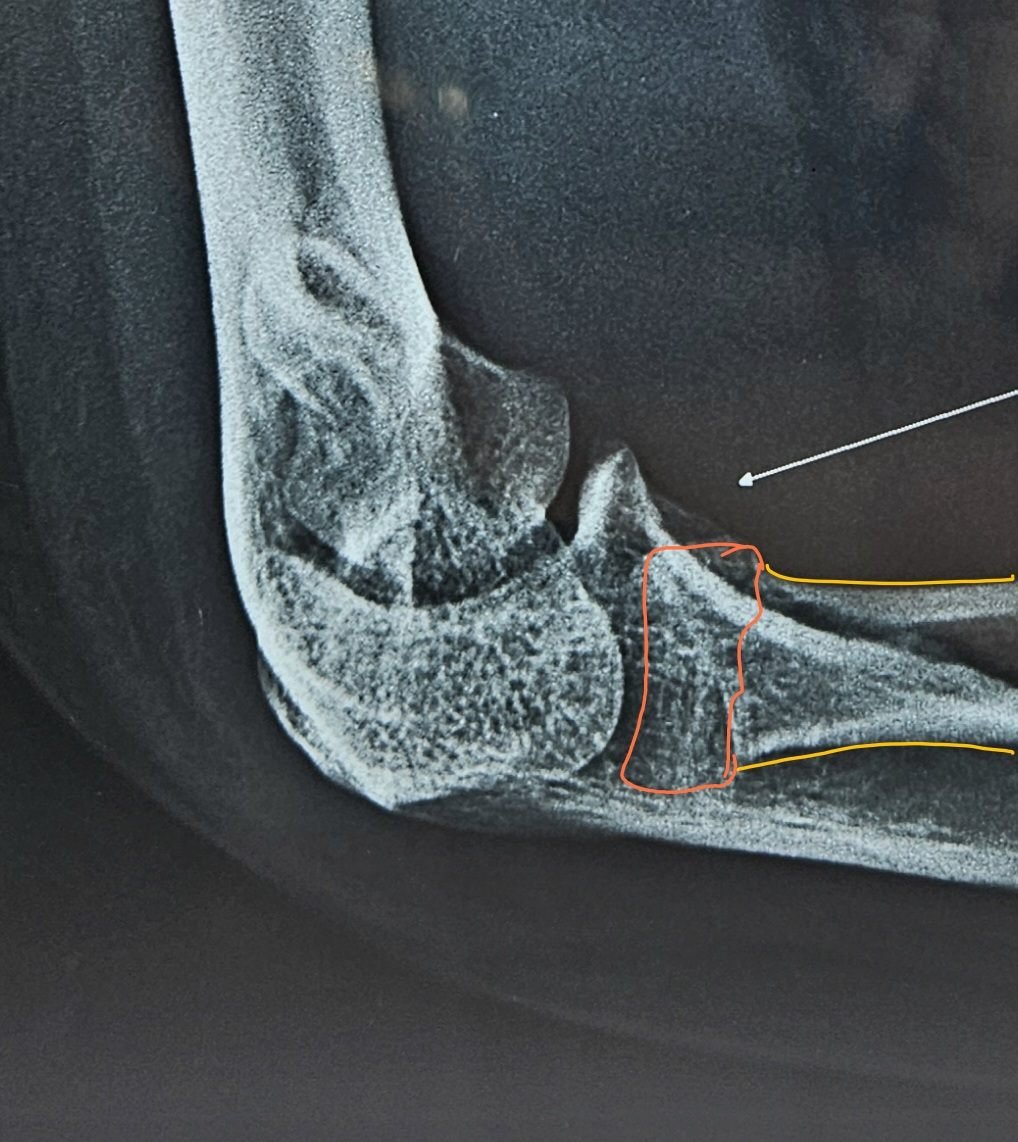
AP and lateral elbow X-rays are the first step. CT scan helps define fragment number, displacement, articular surface depression, comminution and whether stable reconstruction is possible.
X-ray Assessment
- AP view shows the radial head and relation to the capitellum.
- Lateral view helps assess displacement, angulation and elbow alignment.
- X-rays are also reviewed for dislocation, coronoid fracture and associated injuries.
CT Planning
- Axial CT helps assess fragment size and number.
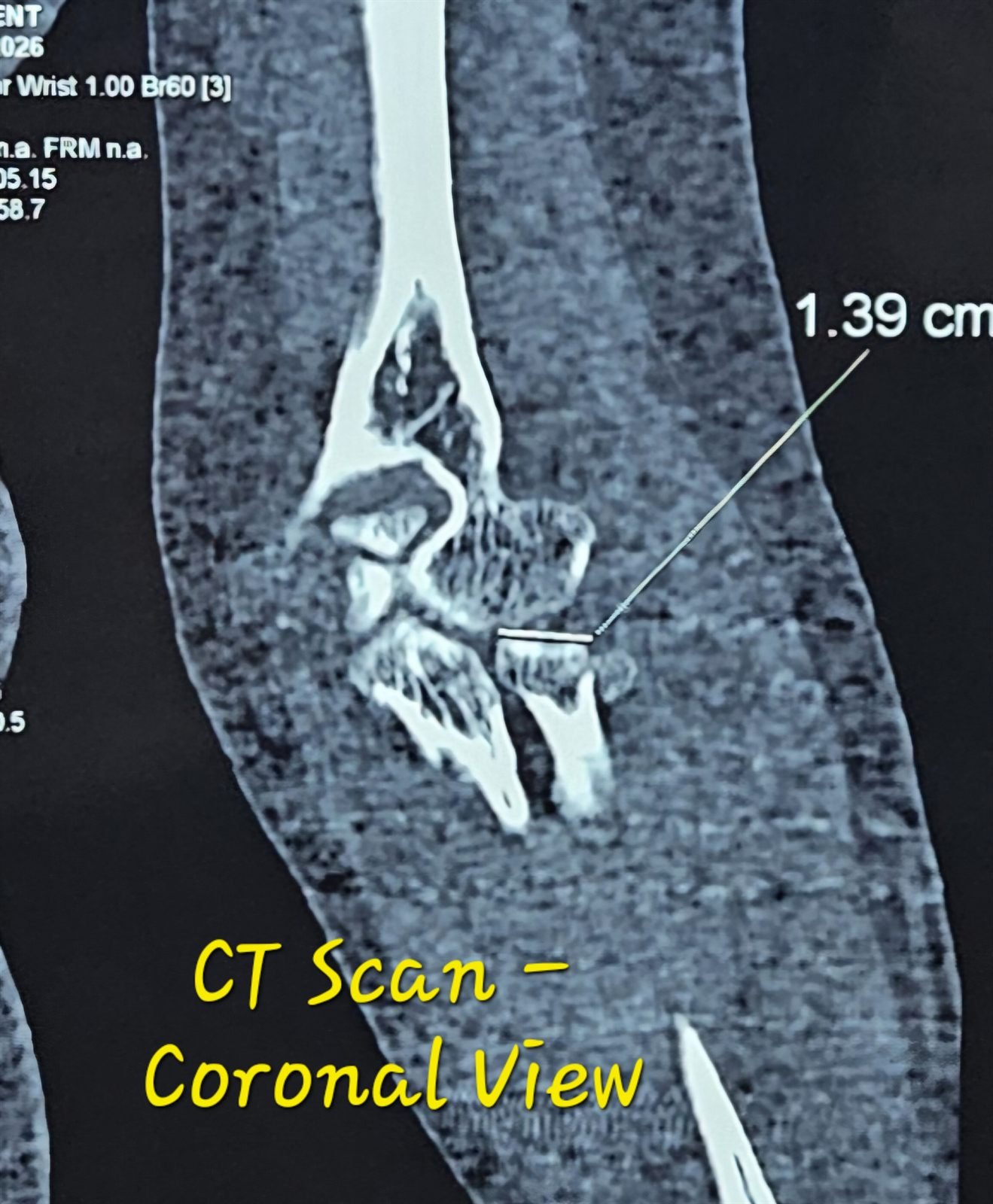
- Coronal CT shows articular displacement and relation to the radiocapitellar joint.
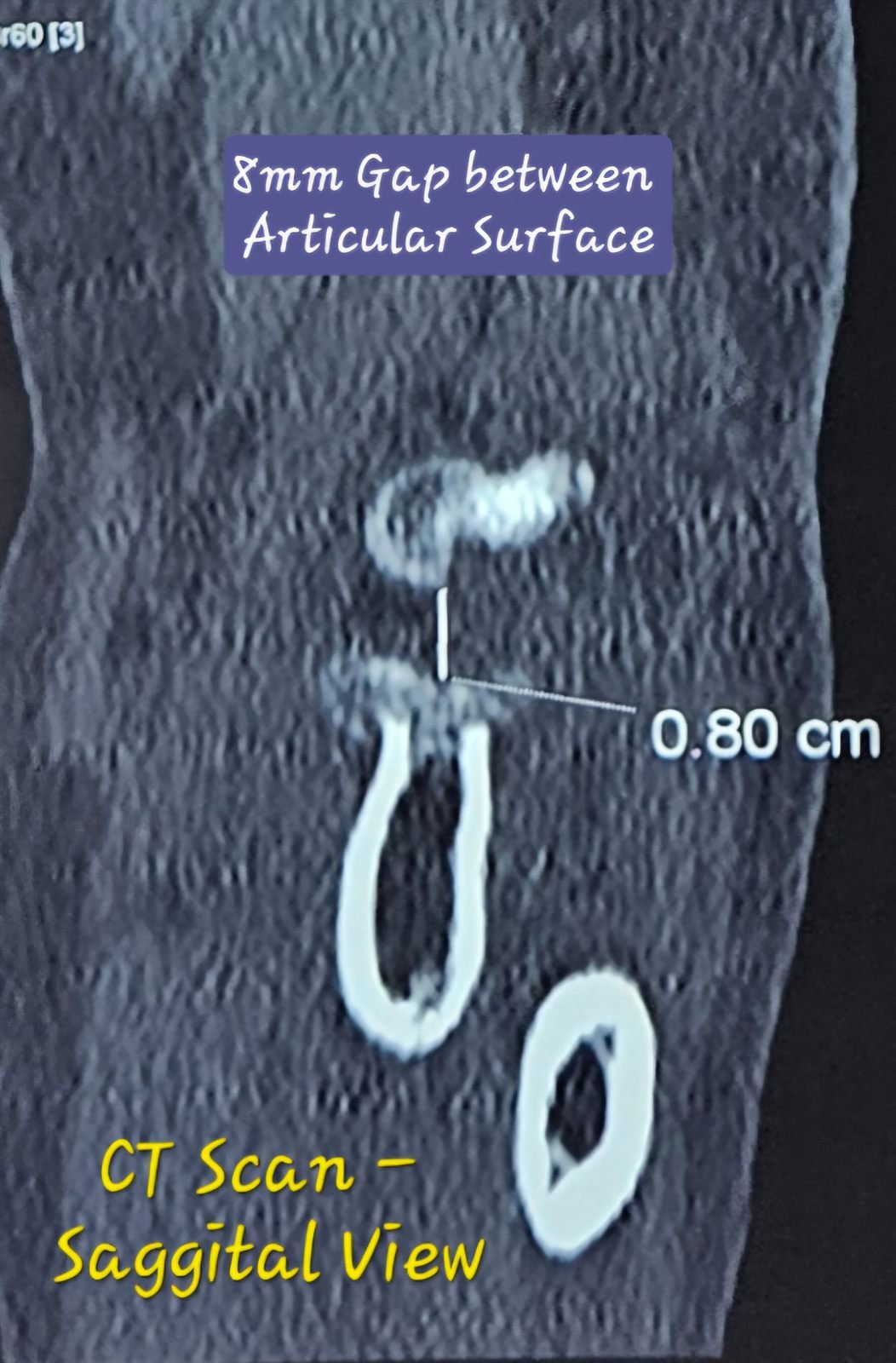
- Sagittal CT can show depression and the articular gap that must be restored.
- CT is especially useful before deciding reconstruction versus replacement.
Bring X-rays and CT scan images for consultation whenever available.
Treatment Is Decided by Fracture Pattern
The operation is not chosen only by the name of the fracture. The surgeon decides after assessing displacement, number of fragments, joint surface involvement, elbow stability, age, bone quality, activity needs and associated injuries.
Possible Treatment Paths
- Non-surgical treatment for selected stable, minimally displaced fractures without mechanical block.
- Radial head reconstruction or ORIF when fragments can be reduced and fixed reliably.
- Radial head replacement when reconstruction is unlikely to give a stable, functional joint surface.
Important Decision Factors
- Fragment size and whether the pieces are large enough for fixation.
- Number of fragments and degree of comminution.
- Articular gap, depression and radiocapitellar alignment.
- Elbow dislocation, ligament injury or forearm-wrist instability.
Radial Head Reconstruction with Herbert Screw and Plate Fixation
Reconstruction means restoring the broken radial head fragments and stabilizing them with small screws, headless compression screws such as Herbert screws, or a low-profile plate when needed.
When Reconstruction May Be Planned
- Fragments are limited in number and large enough for secure fixation.
- The joint surface can be restored anatomically.
- Bone quality and fracture configuration permit stable fixation.
- The surgeon expects early protected elbow movement to be possible after fixation.
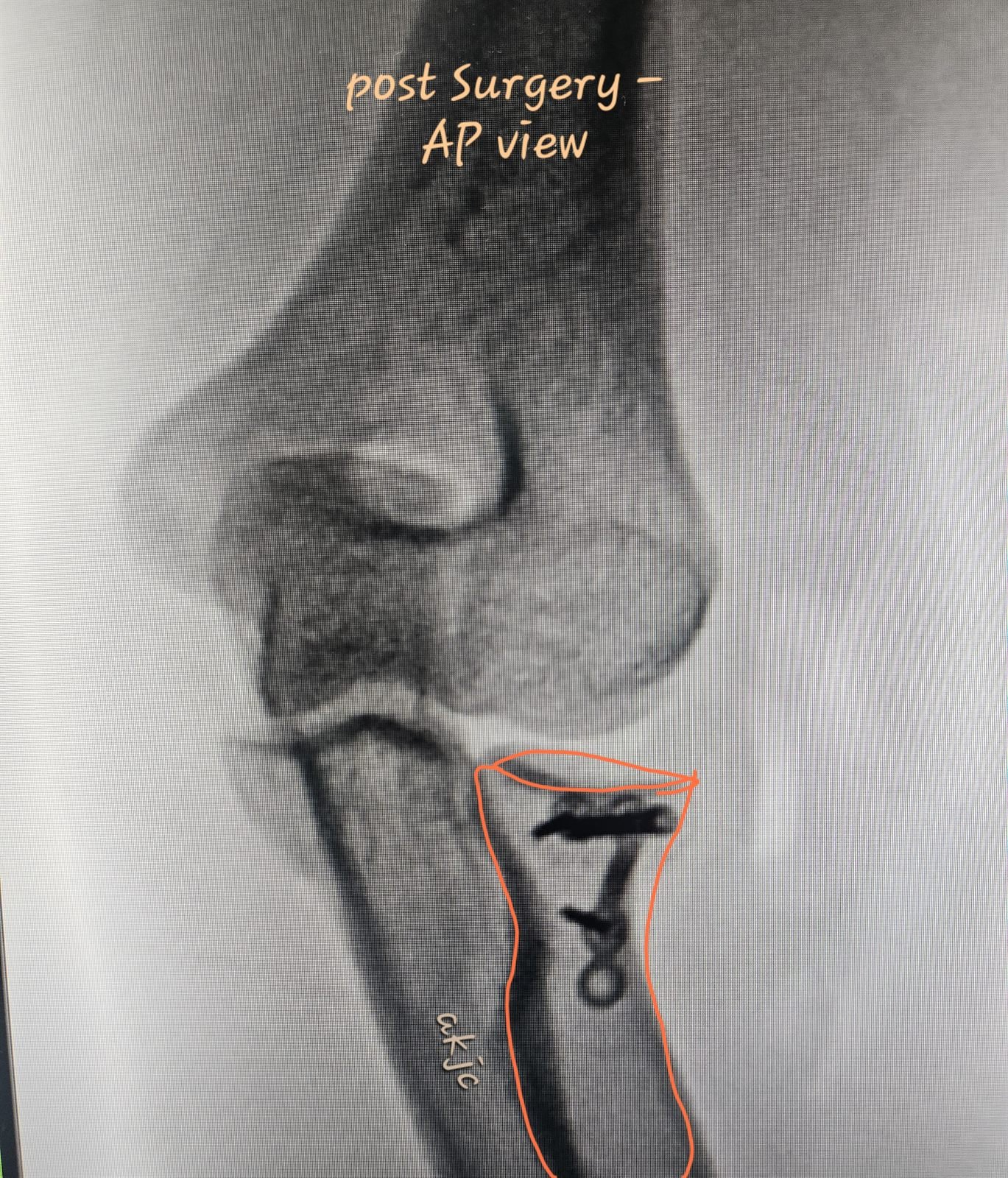
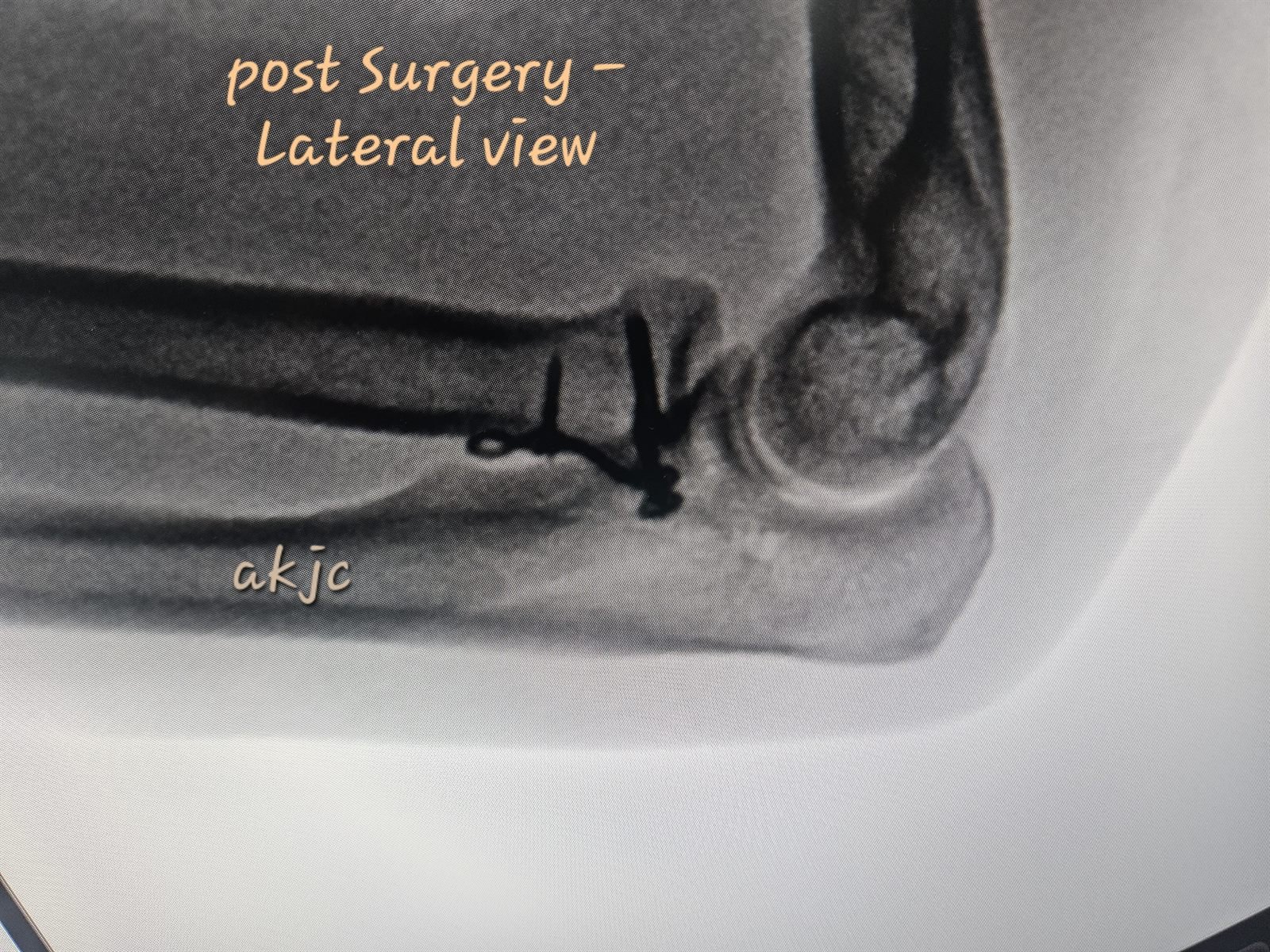
Illustrated Case Planning
- In this case, CT showed fewer than three major fracture fragments.
- The largest fragment measured approximately 15 mm on axial CT, so fixation of this fragment to the main radial head was planned with a buried Herbert screw.
- Sagittal CT showed depression of the lateral radial head with an approximately 8 mm articular gap.
- The depressed articular surface was restored and supported using a contoured low-profile radial head plate.
- The reconstruction plan was confirmed intra-operatively and fixation was satisfactory.
This example is educational. The final decision is made after imaging review and intra-operative assessment.
When Radial Head Replacement May Be Required
Radial head replacement, also called radial head arthroplasty, replaces the damaged radial head with a metallic prosthesis. It is considered when reconstruction is unlikely to restore a stable and functional joint surface.
Possible Indications
- Severely comminuted radial head fracture.
- Fracture-dislocation or unstable elbow injury pattern.
- Terrible triad type injuries where elbow stability depends on radial head support.
- Poor reconstructability despite CT planning.
Surgical Planning Points
- Correct implant sizing is important.
- Associated ligament repair may be required.
- Coronoid fracture or elbow instability must be addressed in the same treatment plan.
- Replacement is not chosen merely because the fracture is painful; it is chosen when stability and reconstructability require it.
Recovery, Mobilization and Stiffness Prevention
Recovery depends on fracture severity, surgery type, ligament injury, swelling and stiffness risk. Early protected movement is often important, but timing is surgeon-specific.
After Surgery
- Wound care, splint or sling support as advised.
- Follow-up X-rays to confirm alignment and fixation.
- Physiotherapy for elbow bending, straightening and forearm rotation.
- Heavy lifting is restricted until healing and stability permit.
In the Illustrated Case
- Because fixation was satisfactory, elbow mobilization was started after 48 hours.
- The goal was recovery of full range of motion under guidance.
- Stable fixation allowed movement planning while protecting the reconstruction.
- Long-term outcome still depends on fracture healing, stiffness control and rehabilitation.
Common Questions About Radial Head Fracture
These answers are educational and cannot replace examination and imaging review.
Treatment Questions
- Can a radial head fracture heal without surgery? Selected stable, minimally displaced fractures may be treated without surgery.
- Who decides between reconstruction and replacement? The treating surgeon decides after X-ray, CT, clinical examination and assessment of stability.
- Is CT scan always needed? CT is especially useful when displacement, comminution or surgery planning is involved.
Recovery Questions
- Can elbow movement become stiff? Yes. Elbow stiffness is a common concern after radial head fracture.
- Is physiotherapy required? Many patients need guided exercises or physiotherapy after the acute phase.
- Is wrist pain important? Wrist or forearm pain after radial head fracture should be mentioned because associated forearm instability can alter treatment.
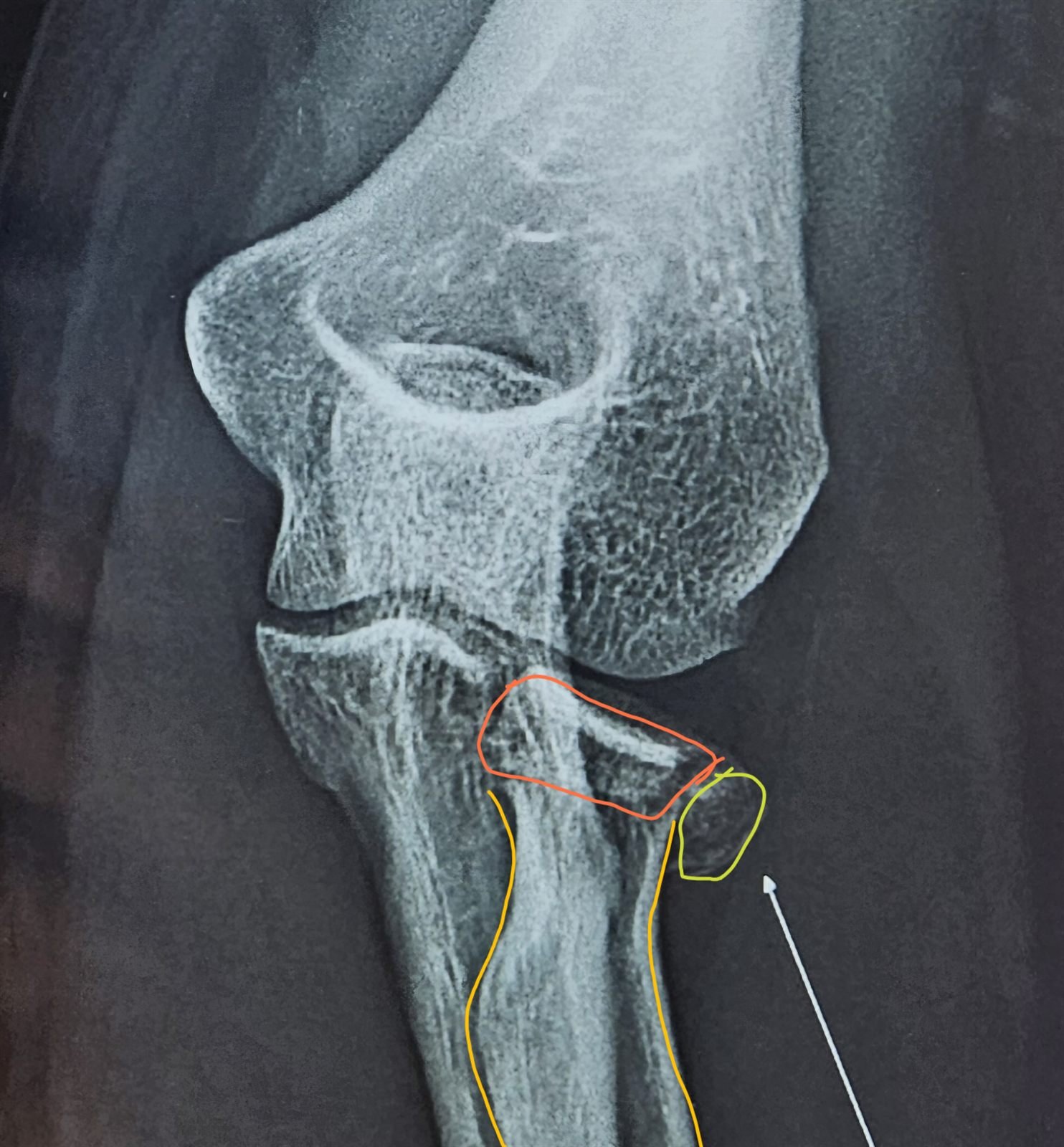
Radial Head Fracture Reconstruction Case Images
This image sequence shows pre-operative X-rays, CT planning in three planes and post-operative reconstruction X-rays. It is for academic explanation, not a promise of outcome.
Book Consultation
Book radial head fracture consultation
Book consultation after an elbow injury if X-ray or CT suggests radial head fracture, if elbow rotation is painful or blocked, or if there is swelling and stiffness after a fall.
Bring X-rays, CT scan images, discharge notes and details of any associated wrist, forearm or shoulder pain.