
Complex Trauma Care in Indore
Pelvi-Acetabular Surgeries
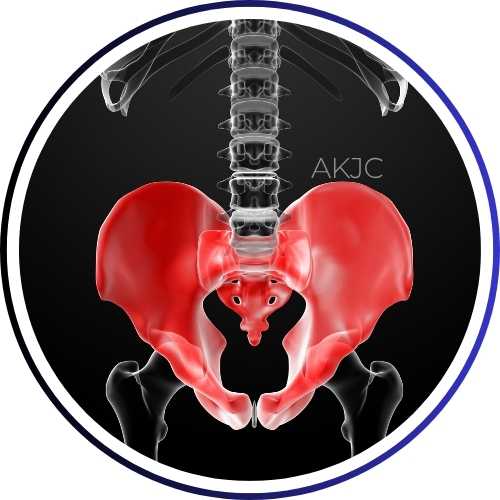
Pelvi-acetabular surgeries treat complex fractures of the pelvis and acetabulum, the socket of the hip joint.
These injuries are often caused by high-impact trauma such as road traffic accidents, falls from height or industrial injuries. Timely imaging, stabilization and expert surgical planning are important for mobility and long-term hip function.
Pelvic-ring and hip-socket fractures differ from fractures of the upper thigh bone.
Find the Right Care Guide
Choose a concern below, then explore assessment, treatment and recovery resources.
Pelvic-ring fractures
Injuries to the bony ring linking the spine and lower limbs.
Acetabular fractures
Injuries to the socket of the hip joint.
Fragility fractures
Pelvic injuries after a low-energy fall in people with weak bones.
Emergency assessment and imaging
Initial trauma assessment comes before a planned operation discussion.
Treatment and fixation
Stability, displacement and overall health guide treatment choices.
Recovery and later hip problems
Walking precautions, rehabilitation and follow-up after injury.
When to Seek Urgent Care
Pelvic Trauma Can Need Emergency Care
Some pelvic injuries involve bleeding or other organ injuries. Emergency stabilisation takes priority over elective booking.
What Are Pelvi-Acetabular Fractures?
Pelvic fractures involve the ring-like structure connecting the spine to the lower limbs, while acetabular fractures involve the hip socket.
Fracture Areas
- Pelvic fracture - Break in the pelvic ring.
- Acetabular fracture - Fracture of the socket where the femoral head fits.
Common Causes
- Road traffic accidents.
- Falls from significant height.
- Crush or industrial injuries.
- High-energy sports trauma.
- Osteoporosis-related fragility fracture in elderly patients.
Signs, Symptoms and Diagnosis
Early diagnosis and prompt treatment can be life-saving in complex pelvic and acetabular injuries.
Symptoms
- Severe pelvic or groin pain.
- Inability to stand or walk.
- Visible deformity or swelling.
- Internal bleeding or shock.
- Numbness or weakness in the legs.
Imaging
- X-rays for initial fracture detection.
- CT scan with 3D reconstruction for surgical planning.
- MRI if soft tissue or nerve involvement is suspected.
Pelvic trauma after an accident or fall should be assessed urgently.
Treatment Approach at Our Center
The goal is to restore anatomy, preserve mobility and avoid long-term disability.
Non-Surgical Management
- Stable, undisplaced fractures.
- Pain management, protected activity and mobilisation as advised for the fracture.
- Close monitoring with serial imaging.
Surgical Management
- Open Reduction and Internal Fixation (ORIF).
- Minimally invasive pelvic fixation.
- Percutaneous screw fixation.
- Acetabular reconstruction with buttress plates.
Recovery, Rehabilitation and Risks
Recovery depends on fracture severity, surgical stability and associated injuries.
Rehabilitation
- Initial ICU care in polytrauma or bleeding cases.
- Pain control and prevention of DVT or bed sores.
- Gradual mobilization with walker or crutches.
- Weight-bearing and walking-aid instructions depend on fracture healing, fixation and associated injuries.
- Physiotherapy for joint range, strength and walking.
Possible Risks
- Infection.
- Blood clots.
- Nerve or vascular injury.
- Non-union or malunion.
- Post-traumatic arthritis in the hip joint.
Book Consultation
Book expert care for pelvic or acetabular fracture
If you or a family member has suffered a pelvic or acetabular fracture, timely expert evaluation can protect mobility and reduce complications.
Dr. Anupam Khandelwal provides advanced trauma care and surgical planning in Indore.