
Labrum and Biceps Anchor Injury
SLAP Tear Treatment in Indore
SLAP tear treatment is planned after matching deep shoulder pain, clicking, overhead symptoms and MRI findings with examination of the labrum, biceps tendon and rotator cuff.
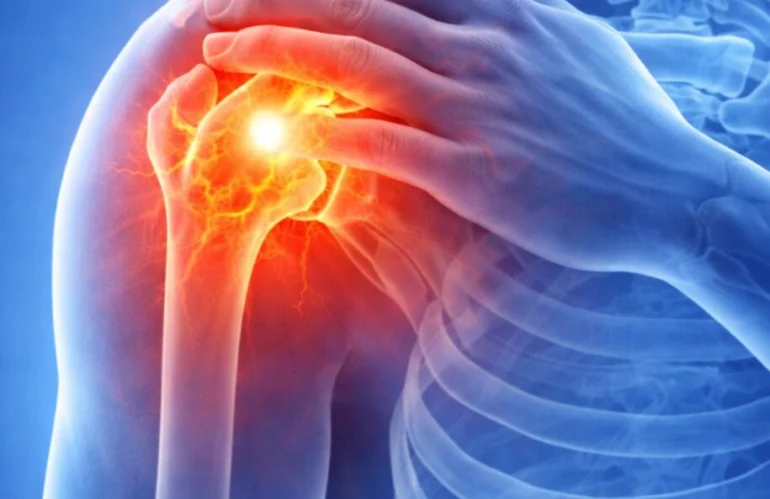
Superior labral tear
SLAP tears involve the upper labrum near the biceps tendon attachment.
Biceps anchor pain
Biceps symptoms influence whether repair, tenodesis or non-surgical care is discussed.
Repair only when indicated
MRI wording alone is not enough; symptoms and examination must match.
SLAP tear, labrum tear and biceps tendon symptoms
SLAP tears can cause deep pain, clicking, throwing pain or gym-related symptoms, but similar symptoms can come from rotator cuff, AC joint or neck-related causes.
Common symptoms and concerns
- Deep shoulder pain during overhead activity.
- Clicking, catching or painful popping.
- Throwing pain or reduced throwing confidence.
- Gym pain during bench press or overhead press.
- MRI report mentioning SLAP lesion or superior labral tear.
Who should consult
- Patients with MRI-reported SLAP tear.
- Athletes or gym users with overhead shoulder pain.
- Patients comparing physiotherapy, SLAP repair and biceps tenodesis.
- Patients with labral tear symptoms plus instability.
- Patients with persistent clicking and deep shoulder pain.
When SLAP tear consultation is useful
Consultation helps decide whether the SLAP finding is the pain source or an incidental MRI finding.
Book a consultation for
- Deep shoulder pain with clicking or catching.
- Throwing, swimming or gym-related shoulder pain.
- MRI showing SLAP lesion or labral tear.
- Persistent symptoms despite rest and physiotherapy.
- Associated biceps tendon pain or instability symptoms.
Urgent care warning
- Severe fresh injury, open wound, major deformity, loss of sensation, high fever or rapidly increasing pain should be taken to emergency care first.
- For planned opinion, bring reports so the next step can be explained clearly.
MRI-based SLAP and biceps treatment planning
Treatment depends on age, sport, tear type, biceps symptoms, rotator cuff condition and instability.
Reports to bring
- MRI or MR arthrogram films and report.
- Shoulder X-rays if available.
- Details of sport, gym activity or injury mechanism.
- Previous physiotherapy, injections or shoulder surgery records.
Treatment discussion
- Activity modification and physiotherapy for selected cases.
- Scapular control and rotator cuff strengthening.
- Arthroscopic SLAP repair in selected younger active patients.
- Biceps tenodesis or tenotomy discussion when the biceps anchor is the pain generator.
- Associated rotator cuff or instability treatment when present.
Common questions
Short answers for patients comparing symptoms, reports and treatment options.
What is a SLAP tear?
A SLAP tear is an injury of the upper shoulder labrum near the biceps tendon attachment.
Does every SLAP tear need surgery?
No. Many SLAP tears are treated with physiotherapy and activity modification when symptoms improve.
What is SLAP tear repair surgery?
It is an arthroscopic procedure where the torn upper labrum is repaired with anchors in selected cases.
What is biceps tenodesis?
Biceps tenodesis fixes the biceps tendon at a different location to reduce pain from the biceps anchor or tendon.
Can SLAP tear cause shoulder clicking?
Yes, but clicking can also come from other shoulder conditions, so examination and imaging review are needed.
Next Step
Book SLAP tear consultation
Bring MRI films and details of overhead activity, clicking, sports or gym pain so labrum and biceps treatment can be planned.