
Collarbone and AC Joint Injury
Clavicle Fracture Surgery in Indore
Clavicle fracture surgery is considered for selected displaced, skin-threatening, lateral end, unstable or non-healing collarbone fractures after X-ray and clinical assessment.
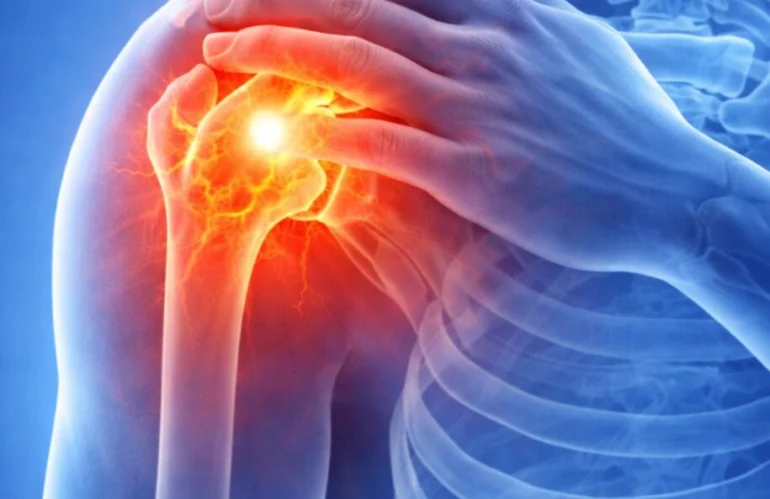
Clavicle fracture pattern
Midshaft, lateral end and medial clavicle fractures behave differently.
Outer clavicle instability
Lateral end fractures can be unstable because of AC joint and ligament anatomy.
Separation and dislocation
Selected high-grade or painful chronic AC injuries may need surgery discussion.
Clavicle fracture, collarbone fracture and AC joint injury
Many clavicle fractures heal with sling support, but displaced, skin-threatening, lateral end or non-healing fractures need careful review.
Common symptoms and concerns
- Pain and swelling over the collarbone.
- Visible bump, deformity or skin tenting.
- Pain while moving the shoulder after fall or accident.
- X-ray showing clavicle or lateral end clavicle fracture.
- Persistent pain after old clavicle fracture or previous fixation.
- AC joint separation after fall on shoulder.
Who should consult
- Patients with fresh clavicle fracture.
- Patients comparing sling and plate fixation.
- Patients with lateral end clavicle fracture.
- Patients with painful AC joint separation.
- Patients with clavicle fracture non-union or failed fixation.
When clavicle fracture consultation is useful
Review is important when displacement, skin pressure, instability or delayed healing could affect shoulder function.
Book a consultation for
- Markedly displaced or shortened clavicle fracture.
- Skin tenting or pressure over the fracture.
- Lateral end clavicle fracture.
- AC joint dislocation or painful separation.
- Old clavicle fracture pain, non-union or failed implant.
Urgent care warning
- Severe fresh injury, open wound, major deformity, loss of sensation, high fever or rapidly increasing pain should be taken to emergency care first.
- For planned opinion, bring reports so the next step can be explained clearly.
X-ray-based clavicle and AC joint planning
Treatment depends on fracture location, displacement, soft tissue condition, activity level and healing risk.
Reports to bring
- Clavicle and shoulder X-rays.
- CT scan if medial, complex or old non-union pattern is suspected.
- Previous surgery records if there was fixation before.
- Injury date, pain pattern and skin symptoms.
Treatment discussion
- Sling support and guided follow-up for selected stable fractures.
- Plate fixation or lateral clavicle-specific fixation when stability and function require it.
- AC joint stabilization discussion for selected high-grade injuries.
- Bone grafting when non-union biology needs support.
- Physiotherapy after healing allows safe shoulder motion recovery.
Common questions
Short answers for patients comparing symptoms, reports and treatment options.
Are clavicle fracture and collarbone fracture the same?
Yes. Clavicle is the medical name and collarbone is the common name.
Does every clavicle fracture need surgery?
No. Many heal with sling support, but selected displaced, unstable, open, skin-threatening, lateral end or non-healing fractures may need surgery discussion.
What is lateral end clavicle fracture surgery?
It is surgery for a fracture near the outer end of the clavicle close to the AC joint, often needing special fixation because the fragment can be unstable.
Can clavicle fracture cause non-union?
Yes. Some clavicle fractures heal slowly or do not unite, especially if unstable, displaced, infected or previously fixed unsuccessfully.
What reports should I bring?
Bring X-rays, CT scan if done, previous surgery records, discharge papers and injury details.
Next Step
Book clavicle fracture consultation
Bring X-rays, CT scans and old treatment records so collarbone fracture stability and surgery need can be reviewed.